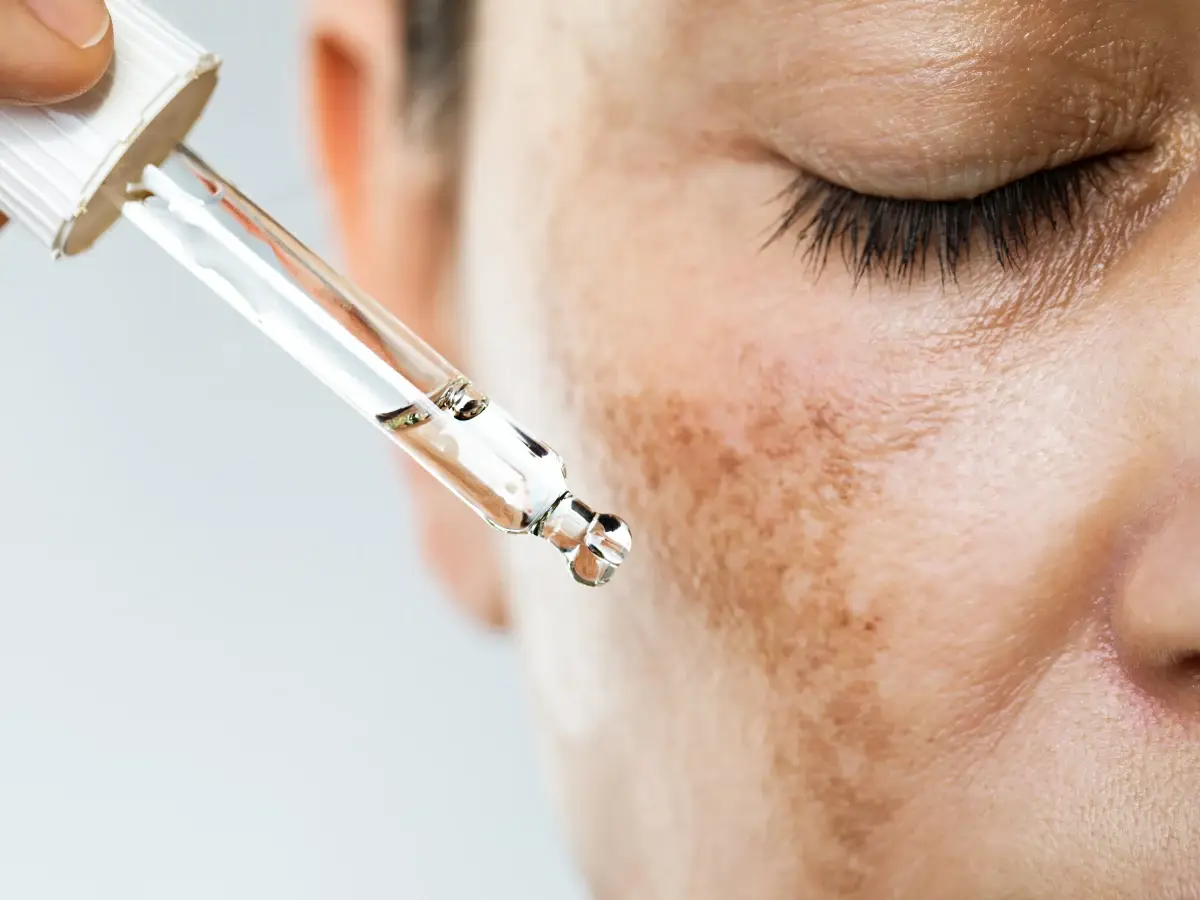
What is hyperpigmentation?
Hyperpigmentation, often referred to as “melasma” or “discoloration,” refers to areas on the skin where melanin is produced in greater quantities than normal. This melanin accumulates locally, resulting in the appearance of dark spots or “stains” on various parts of your face.
Although they can appear on many parts of the body, the most common are facial hyperpigmentation spots in areas such as the cheeks, forehead, and upper lip.
Generally, hyperpigmentation is not harmful to health. However, it can be aesthetically bothersome because it alters the uniform tone of your skin. The good news is that there are many ways to treat it and even more for proper prevention.
What causes hyperpigmentation?
To reduce hyperpigmentation, you first need to understand how it arises. In most cases, facial hyperpigmentation is related to factors such as:
- Sun exposure: UV rays are probably the most significant cause of appearance. Radiation activates melanin production, resulting in the skin creating dark spots as a natural defense mechanism.
- Hormonal changes: Pregnancy, birth control pills, or changes in estrogen can enhance the appearance of melasma. This is why we often see hyperpigmentation in pregnant women and in individuals undergoing hormonal treatments.
- Heredity: If discoloration is common in your family, then you may have an increased predisposition to hyperpigmentation. Genetic predisposition greatly affects your skin's sensitivity.
- Frequent irritations: If you use many perfumes, many cosmetics, or if you have certain dermatological problems, this can trigger hyperpigmentation, especially if the facial area is simultaneously exposed to intense sun.
Prevention for fewer facial hyperpigmentation spots
The first step, and probably the most important, is prevention. Ideally, “better to prevent than to cure.” Below you will find some simple, yet valuable practices:
Sun protection
Wear sunscreen with a high protection factor (SPF 30 or 50) every day, even when it's cloudy. Ultraviolet radiation penetrates clouds and affects your skin without you realizing it.
Proper hydration
Hydrated skin is more resistant to external factors. Invest in a good moisturizer, preferably with ingredients that support the skin barrier, such as aloe vera, hyaluronic acid, or ceramides.
Choosing quality products
If you use low-quality makeup or skincare creams, your skin may become irritated and melanin production may increase. Make sure the products are suitable for your specific skin type.
Avoid excessive sun exposure
Limit sunbathing, especially during peak hours. You can wear a hat and sunglasses for extra protection. This simple method can significantly reduce the chance of new hyperpigmentation spots appearing.
Ways to treat hyperpigmentation
The treatment of hyperpigmentation varies depending on its intensity, extent, and your personal needs. Here you will find some effective methods:
Specialized products
On the market, there are creams and serums with active ingredients such as vitamin C, kojic acid, azelaic acid, and retinol. These formulations help in the gradual depigmentation of hyperpigmentation spots, while simultaneously promoting cellular renewal.
Chemical peeling
Chemical peels are a powerful exfoliation process that targets deeper layers of the skin and encourages the production of new cells.
Dermapen
Through micro-injuries to the epidermis, Dermapen stimulates the production of collagen and elastin. This contributes to improving skin tone and reducing the appearance of hyperpigmentation.
Melanostop
A modern, structured treatment for hyperpigmentation, spots, and skin discolorations, Melanostop promises and delivers what its name implies: it “freezes” melanin overproduction and treats hyperpigmentation, spots, and discolorations.
Combination therapies
Often, to achieve the optimal result, a combination of treatments may be needed. However, you should always consult a doctor to tailor the treatment protocol exactly to your needs.
Why Professional Advice is Important
You may have read many DIY methods online to lighten your melasma, but although some of these tips may offer temporary improvement, they are likely to cause irritation or worsen the problem, especially if your skin is sensitive.
When you are looking for solutions related to the health and beauty of your skin, the advice of an expert is invaluable. A doctor or specialized aesthetician at Facemed Clinic can safely guide you, recommending personalized methods based on your skin's needs and condition.
Conclusion
Melasma on the face is a common aesthetic phenomenon that can be effectively treated with a combination of proper prevention and specialized therapies.
Daily sunscreen use, the selection of quality skincare products, and professional advice are essential elements to maintain an even skin tone and prevent the appearance of new discolorations. Call us and the Facemed Clinic team will guide you to the appropriate treatment for your needs.
Can melasma “disappear” completely?
In some cases, they can be significantly reduced or even disappear, especially with proper care and appropriate treatments. However, continuous unprotected sun exposure is likely to reactivate hyperpigmentation.
Do homemade whitening recipes help?
Some natural ingredients may offer temporary improvement, but they are often not enough for permanent results and can cause irritation. For safe and targeted treatment, it is best to consult an expert.
How long does it take to see results from treatments?
It depends on the intensity of the melasma and the method you choose. Usually, the first signs of improvement begin to appear within 4-6 weeks, while some treatments (e.g., peeling, microneedling) require more sessions.
What happens if melasma reappears?
Unfortunately, melasma tends to recur, especially if you expose yourself frequently to the sun without protection. Continuous care (sunscreen, proper skincare routine, limited sun exposure) remains key to maintaining the result long-term.