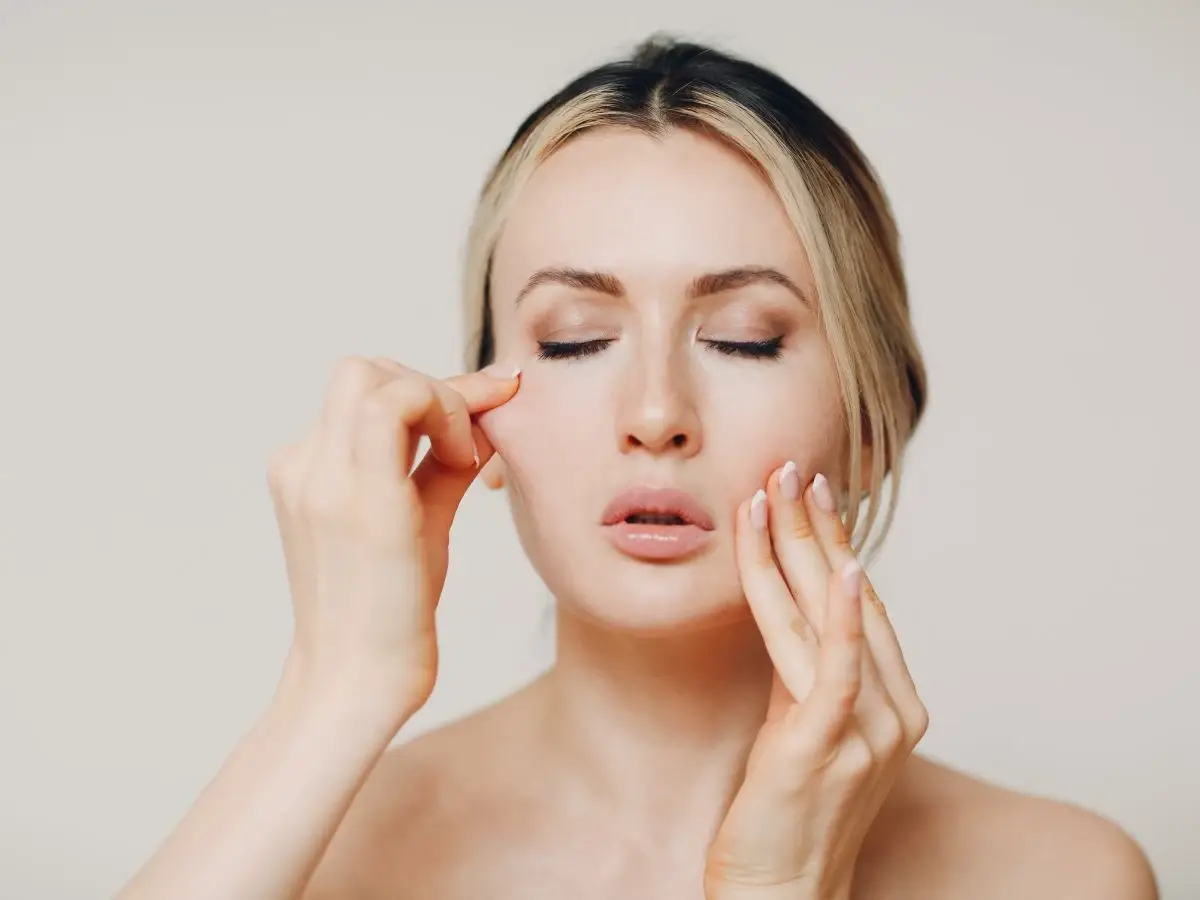
Facial Laxity: Causes
Facial laxity is a consequence of the natural aging process, as well as external factors such as exposure to solar radiation. It manifests as a progressive loss of skin elasticity, loosening of connective tissue, and the formation of deep wrinkles. Both genetic factors (aging) and external factors, such as UV radiation, contribute to facial laxity.
As we age, collagen and elastin—key structural components of youthful skin—decrease, and along with them, the skin's firmness diminishes. Facial laxity gradually sets in, and while this happens easily, it becomes more challenging to reverse the effect and achieve facial tightening.
The decrease in collagen production begins around the age of 20.
Areas Affected by Facial Laxity
Facial laxity becomes apparent in specific areas such as:
- The area around the cheeks.
- The jawline area.
- The nasolabial folds.
- The double chin/jowls.
- Bags under the eyes.
- Droopy eyelids.
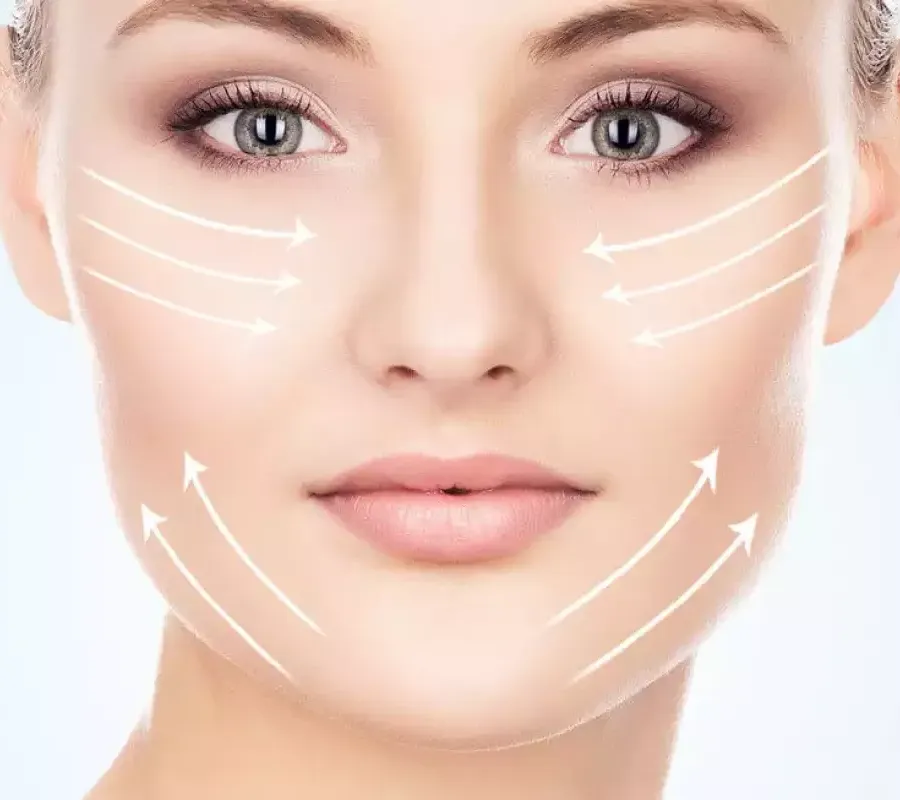
The facial contour relaxes in many areas, where the skin visibly “sags”. The face no longer looks youthful and firm, appearing more tired and aged.
Facial Laxity: Is Prevention Possible?
The answer to whether one can prevent facial laxity is not absolute. The aging process is inevitable, but you can protect yourself from external factors like sun exposure by consistently using your sunscreen.
Smoking and poor nutrition are also aggravating factors that accelerate collagen breakdown in the skin.
In any case, prevention helps the skin maintain its youthful appearance.
Facial Rejuvenation
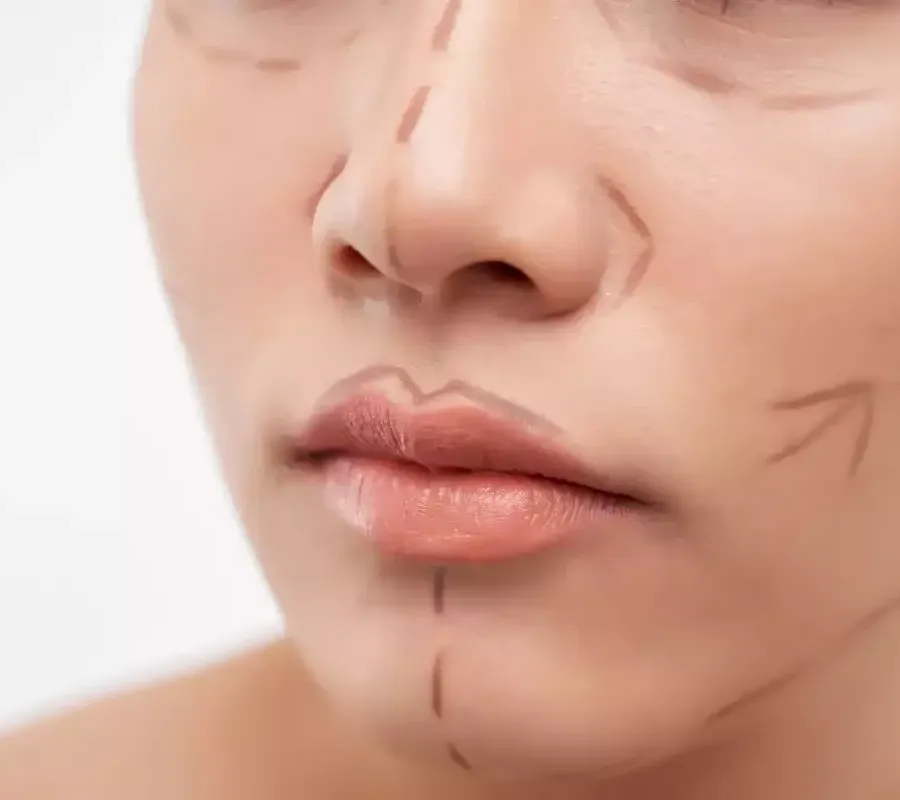
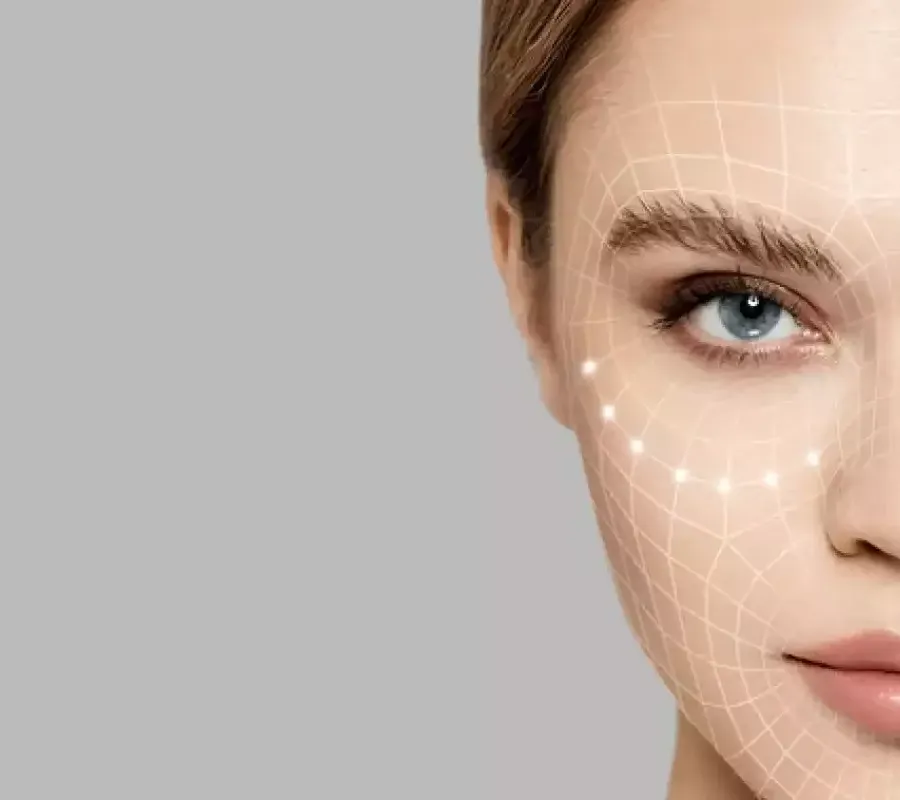
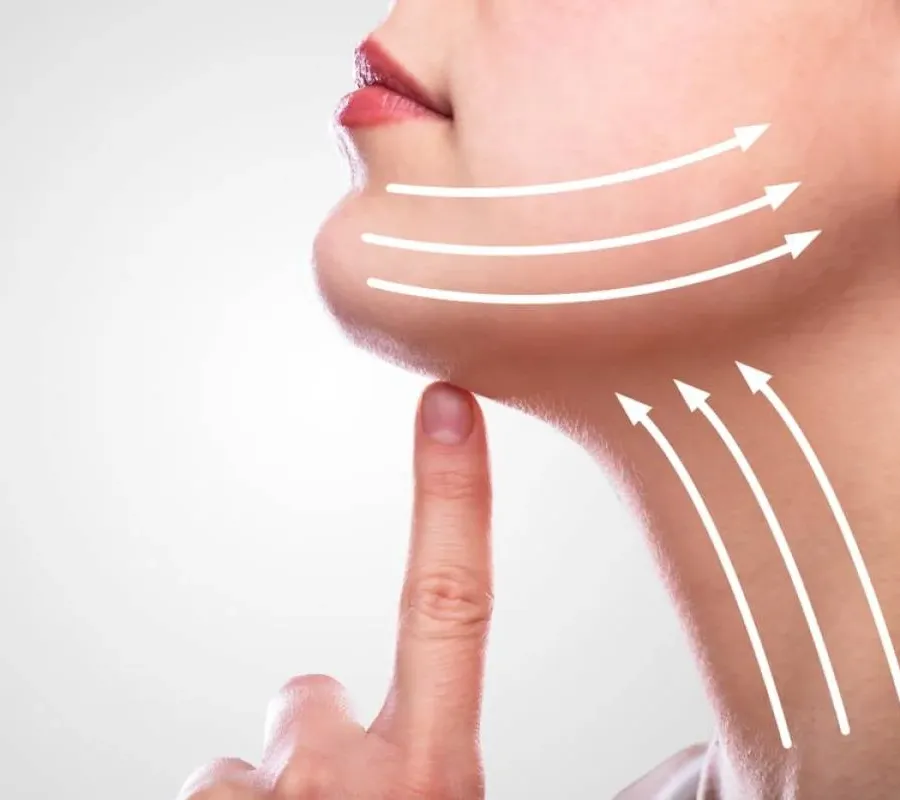
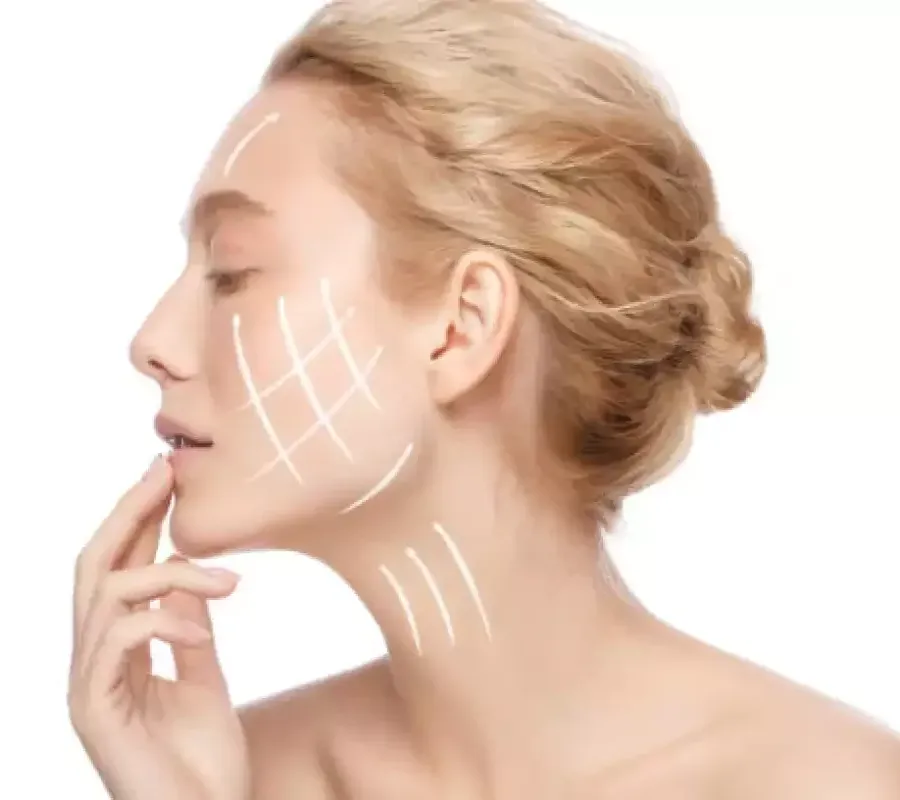
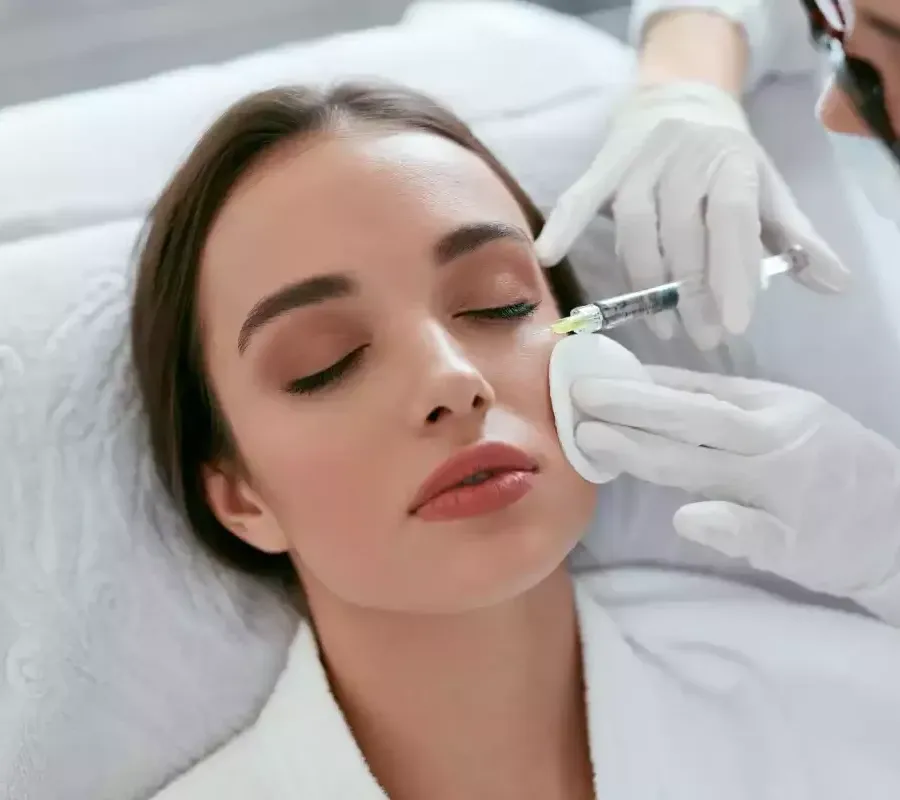
Non-surgical or minimally invasive procedures are highly sought after today for addressing facial laxity. While the classic facelift continues to be a leading intervention for facial lifting and tightening, the multitude of non-surgical options offered by aesthetic medicine today is particularly appealing, especially for cases of mild laxity.
Among the non-surgical treatments that genuinely reshape the facial oval are:
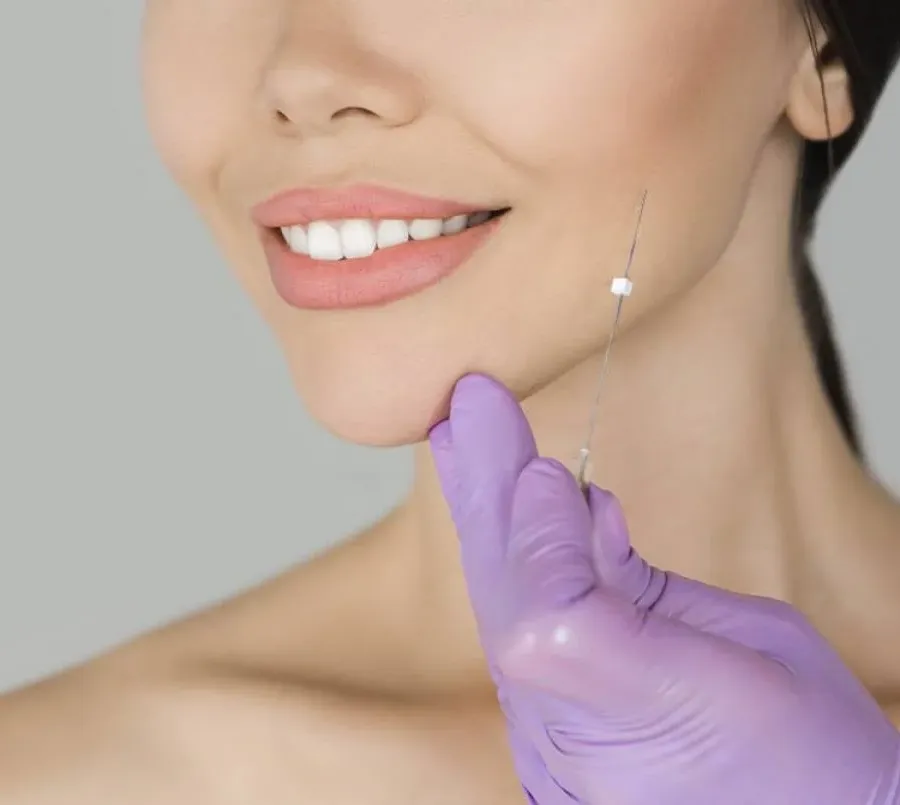
- Facial threads, a minimally invasive procedure that uses medical threads to achieve facial tightening and lifting. This is an ideal alternative to surgical facelift for those experiencing mild to moderate skin laxity in the face.
Read also...
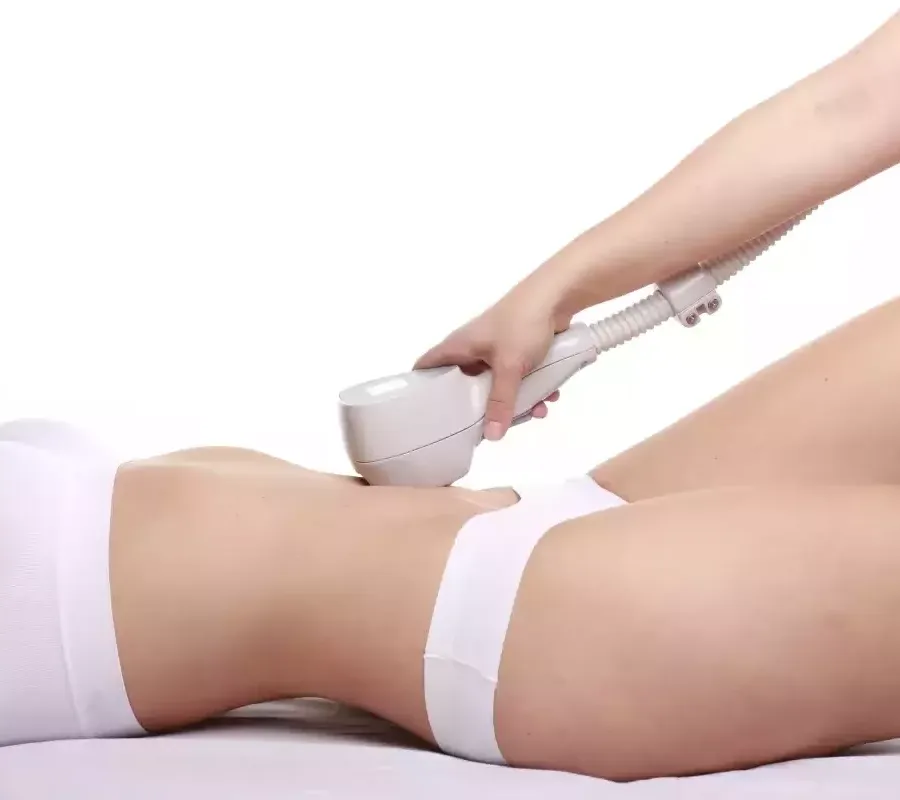
- The modern therapeutic approach that combines radiofrequencies with ultrasounds, Exilis Elite, an ideal treatment for facial tightening and non-surgical lifting.
Read also...
Non-surgical aesthetic treatments for facial tightening improve skin elasticity and tone, while a healthy lifestyle enhances their results.
Read also...
Read also...
Read also...
Read also...

Do I have facial sagging because I constantly sleep on the same side?
If you consistently sleep on one side, you may develop wrinkles from continuous friction on the pillow. However, this is certainly not the reason for the sagging on your face.
How does smoking contribute to facial sagging?
Smoking accelerates the aging process and harms elastin and collagen production.