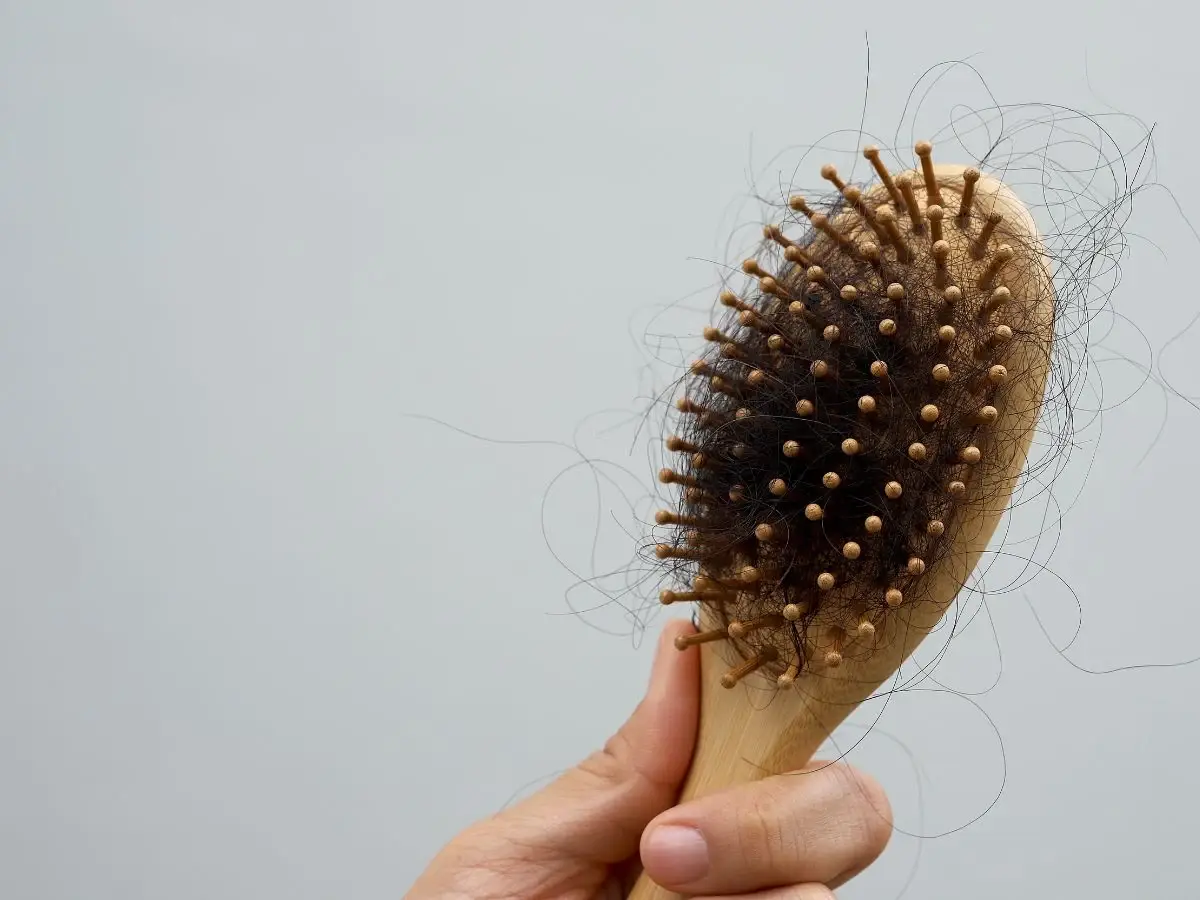
What is Hair Loss?
Hair loss is a disorder that describes the interruption of the body's hair production cycle. It can occur anywhere on the body, but it is more common on the scalp.
Hair loss can be an isolated problem or be related to another condition. Depending on the cause, it can be temporary or permanent. Considering that our hair follicles are formed during the embryonic phase of life, it is rather expected that everyone will at some point face some form of hair loss. Even that which is associated with the natural hair growth cycle.
It should be noted that there are approximately 100,000 hairs on the scalp, which go through cycles of growth, rest, shedding, and regeneration. Hair loss occurs when new hair does not replace that which has fallen out.
It is not always a Symptom of Disease
Hair loss does not always signify a medical problem. We lose between 50 and 100 hairs daily, as part of the body's natural process of constantly renewing hair and removing old ones. This is not considered a pathological condition.
The symptoms of hair loss, which affect millions of people worldwide, appear suddenly, gradually, or even months or years before they are noticed.
Types of Hair Loss
The main types of hair loss are:
- Androgenetic alopecia, which affects both men and women.
- Alopecia areata, in which the immune system attacks hair follicles, slowing their growth.
- Telogen effluvium (diffuse hair loss), which is usually caused by intense stress or a hormonal disorder.
- Cicatricial alopecia, which is a permanent damage to the hair follicle.
Common Symptoms
The most common symptoms of hair loss, as they appear in our daily lives, are:
- Gradual thinning of hair.
- Thinner ponytail.
- Receding hairline, which becomes more noticeable each year.
- Hair loss symptoms can appear gradually and suddenly with significant hair loss in a short period, the appearance of a «patch» on the scalp within 1-2 days, or massive hair loss, as well as hair loss all over the body.
Hair Loss: What Causes It?
The list of causes of hair loss is extensive; however, these often determine the progression of hair loss. In hereditary hair loss, for example, treatment can stop or slow down hair loss and contribute to new hair growth. The same applies to other causes of hair loss, such as alopecia areata.
Additionally, various stressors, childbirth, or surgery can cause you to notice more hair on your brush.
Additionally, various stressors, childbirth, or surgery can cause you to notice more hair on your brush.
Diagnosis
While not all forms of hair loss can be cured, a dermatologist can identify the appropriate treatment regimen to stop hair thinning and prevent further deterioration. To determine the cause of hair loss, the dermatologist will gather a complete medical history, carefully examine the scalp, which can provide a lot of information, and if they suspect an underlying medical condition, they will recommend blood tests or a skin biopsy.
How to Stop Hair Loss?
Modern treatment options for hair loss offer very good results, always under the guidance of a specialist doctor.
Mesotherapy
Hair mesotherapy is based on the same philosophy as the technique performed on the skin. Microinjections of vitamins, amino acids, trace elements, and growth factors are administered to the scalp, which stimulate the growth of healthy and strong hair.
Mesotherapy is recommended in cases where thinning has begun, with the aim of preventing hair loss and enhancing hair growth.
Exosomes Therapy for Hair Loss
PRP Therapy
One of the treatments that has been gaining ground in recent years for hair loss is autologous PRP (Platelet Rich Plasma) mesotherapy. This is a safe non-surgical option that uses platelets from the patient's own blood.
Hair PRP Therapy
When should I be concerned about hair loss?
If you notice severe and painful hair loss, for example, a large amount of hair on your brushes or that your hair has become very thin, a larger area on your forehead, or "bald patches" on your scalp, you should consult your dermatologist.
Why am I experiencing hair loss?
You may experience hair loss as part of the natural hair growth cycle, as well as for many other reasons. A stressful event, such as surgery, a high fever, intense stress (grief, divorce, job loss), recovery from illness, significant weight loss, as well as various medical conditions can be responsible for your hair loss.
What should I be careful about when styling my hair to prevent further hair loss?
Avoid heat styling tools such as curling irons and straighteners. Also stop perms, dyes, and chemical straightening. Choose the lowest temperature for your hairdryer and avoid hairstyles that pull the hair back, such as ponytails, braids, etc. Such a hairstyle on a permanent basis can cause a type of hair loss called traction alopecia.
What shampoo should I use when I have hair loss?
Use a mild shampoo and do not skip moisturizing conditioner. Wrap your hair with a microfiber towel to help it dry faster and reduce the time and damage from blow-drying.