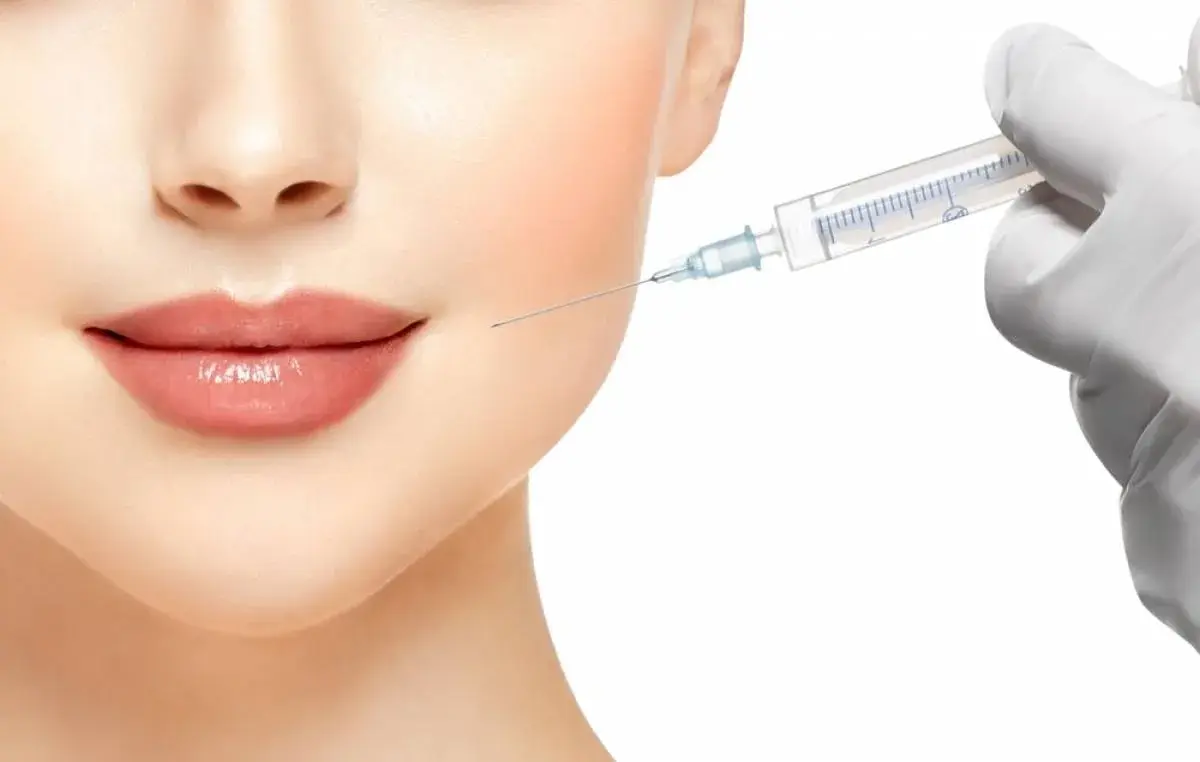
Where to get hyaluronic acid fillers in Athens: at FaceMed Clinic in Athens (Argolidos 2), Gerakas (Thessalonikis 14) and Tripoli (Dimitros 64), from €250 per 1ml, by the clinic's medical team, after a personalised assessment. Book online or by phone on +30 210 692 9999.
What is hyaluronic acid?
Hyaluronic acid is a natural polysaccharide belonging to the glycosaminoglycan family and is found in many parts of the body, especially in the skin. Its chemical composition makes it biocompatible, meaning our body can accept it with almost no adverse reactions.
How does hyaluronic acid work on the skin?
Hyaluronic acid is also known for its unique ability to retain up to 1000 times its weight in water. When injected into the skin, it acts like a sponge, retaining moisture.
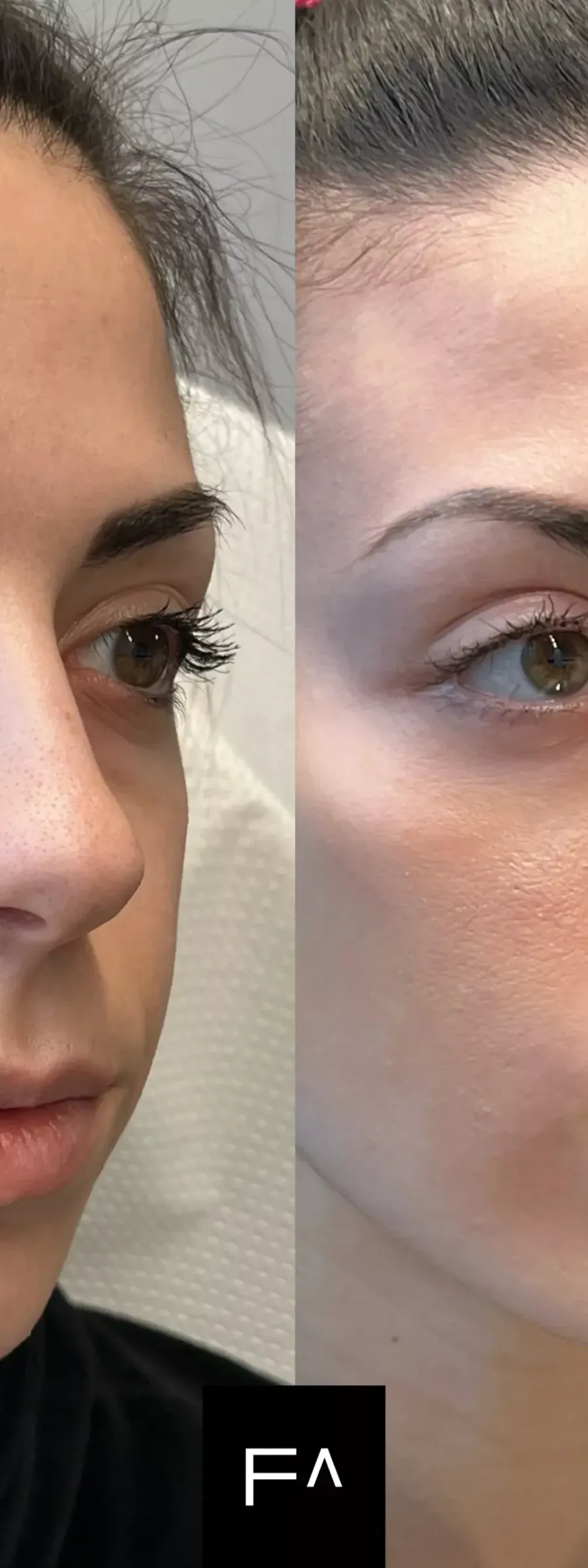
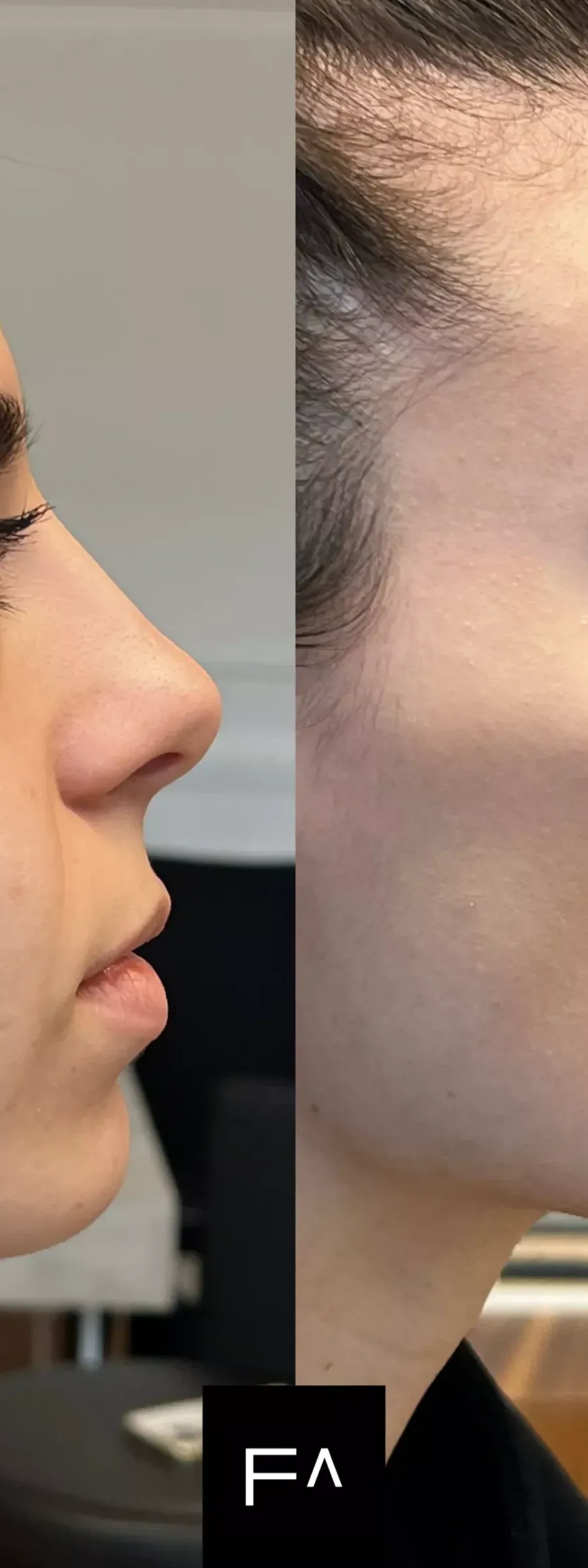
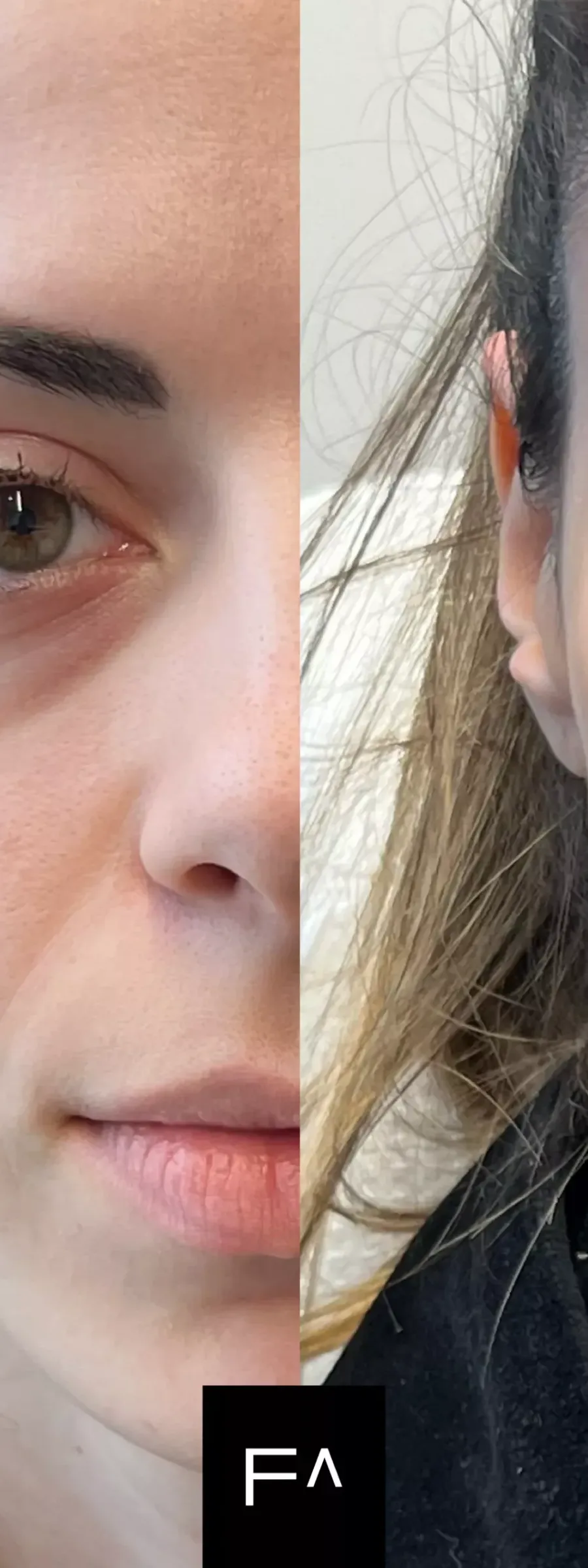
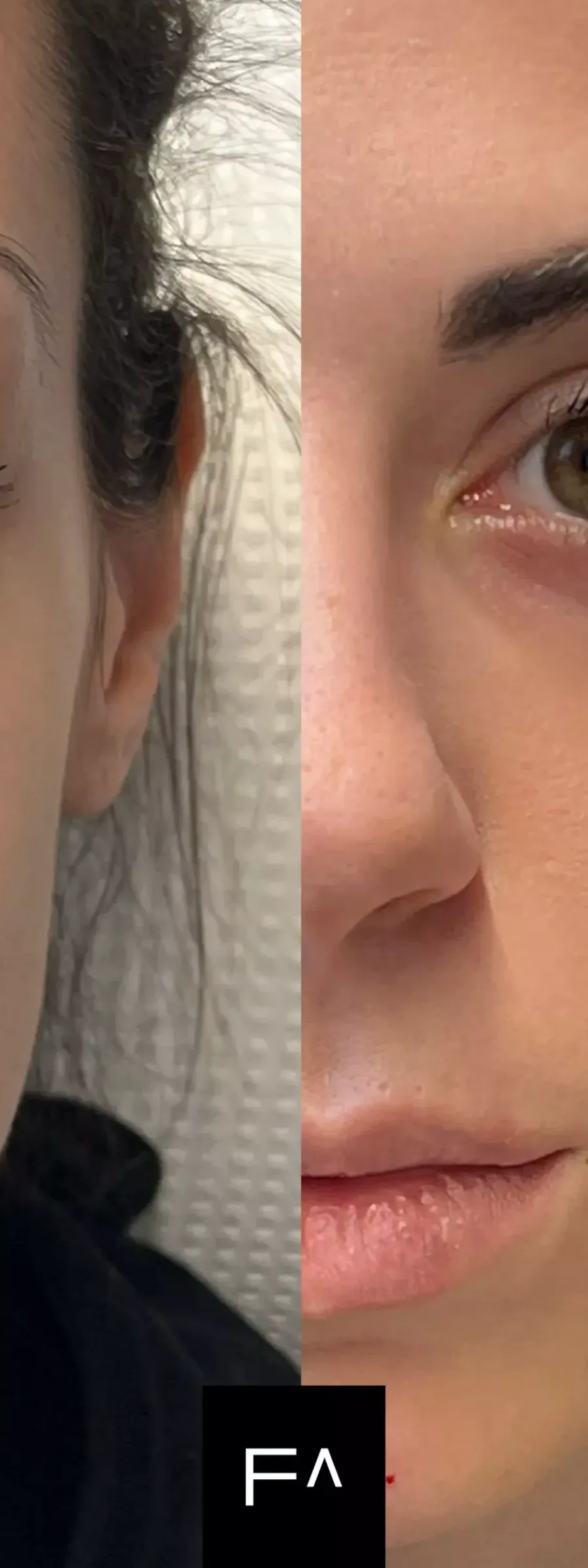
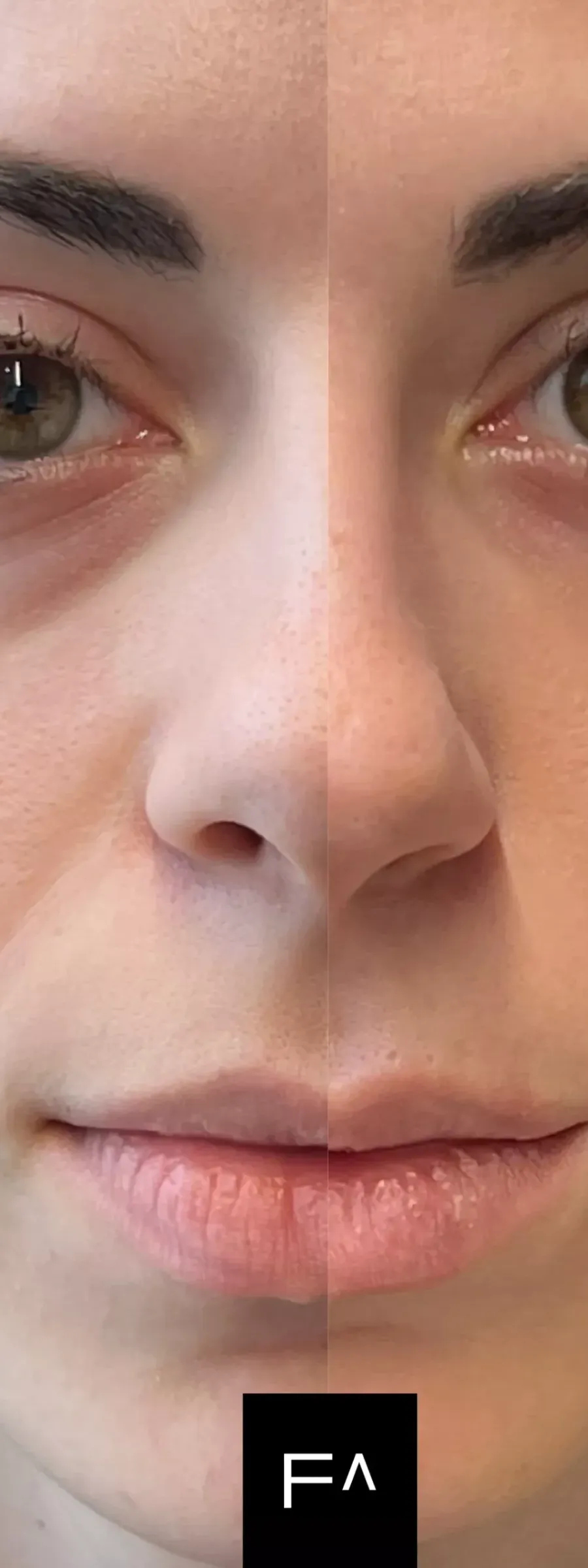
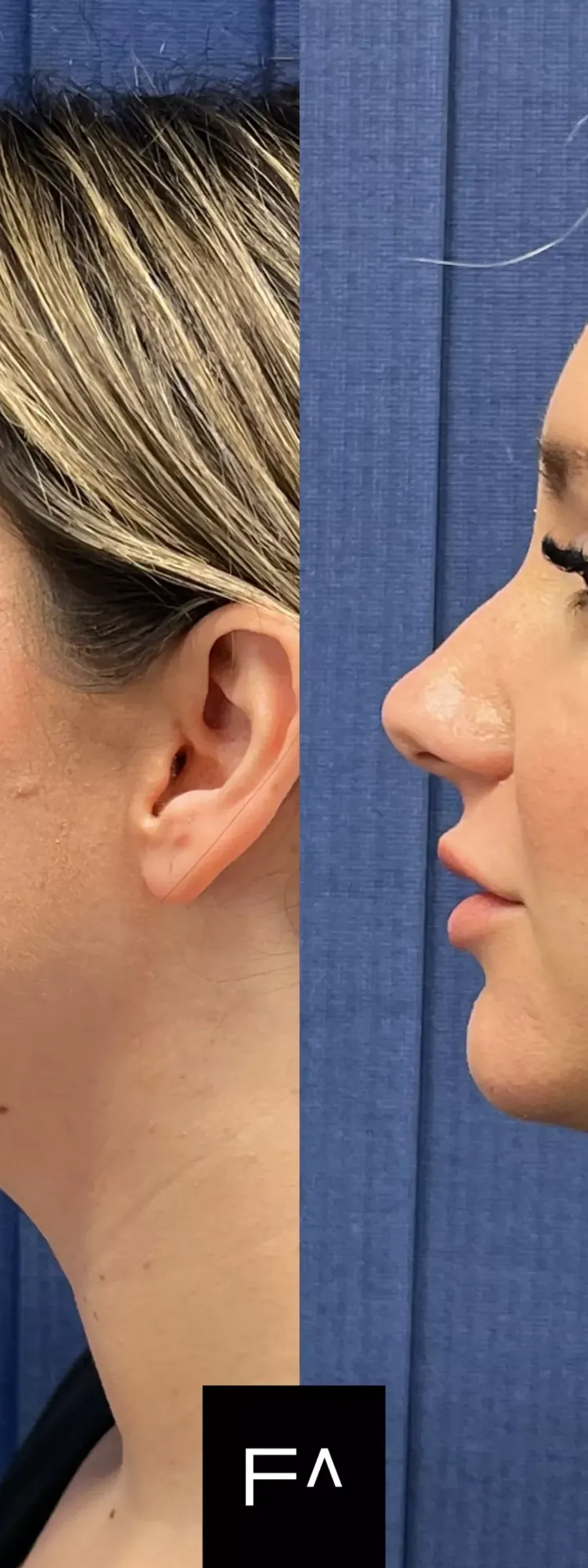
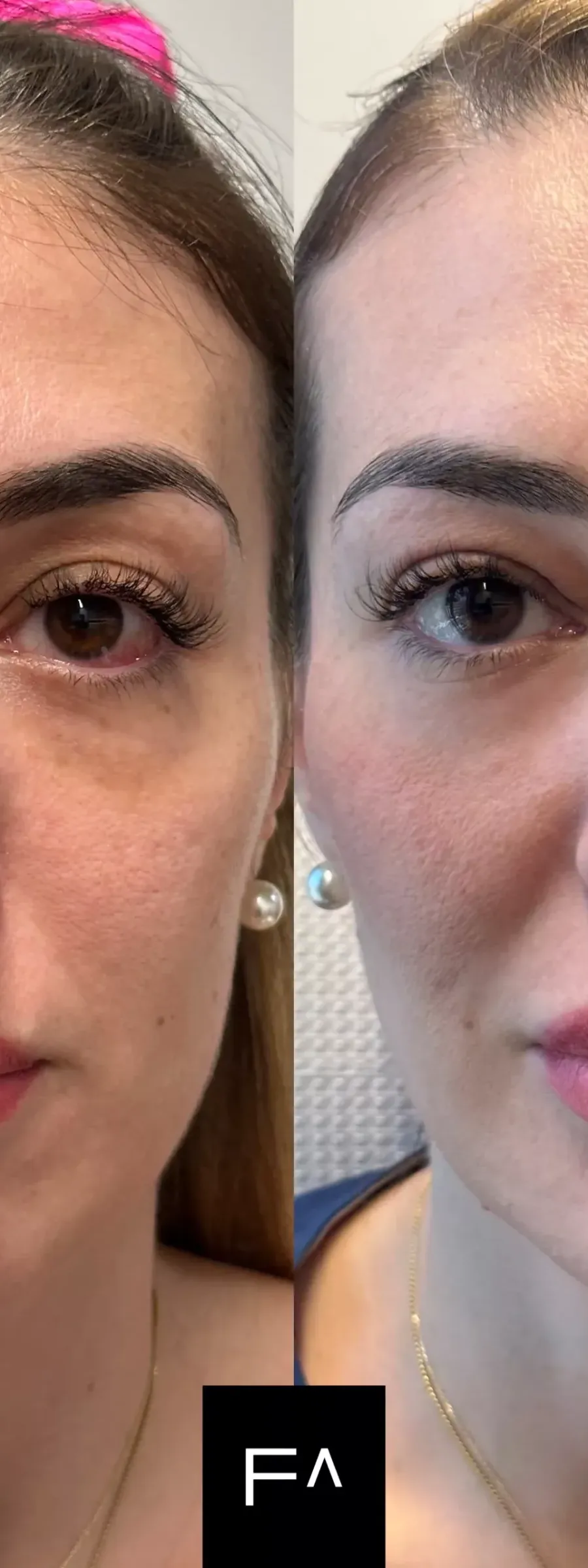
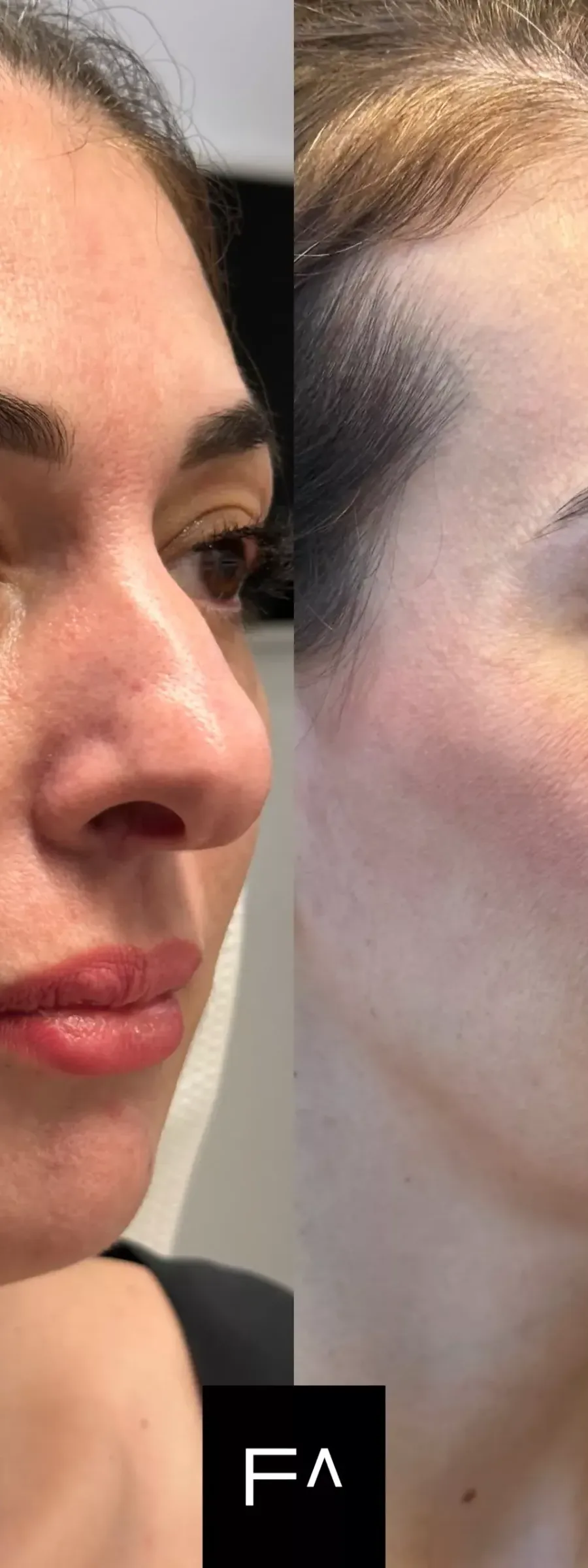
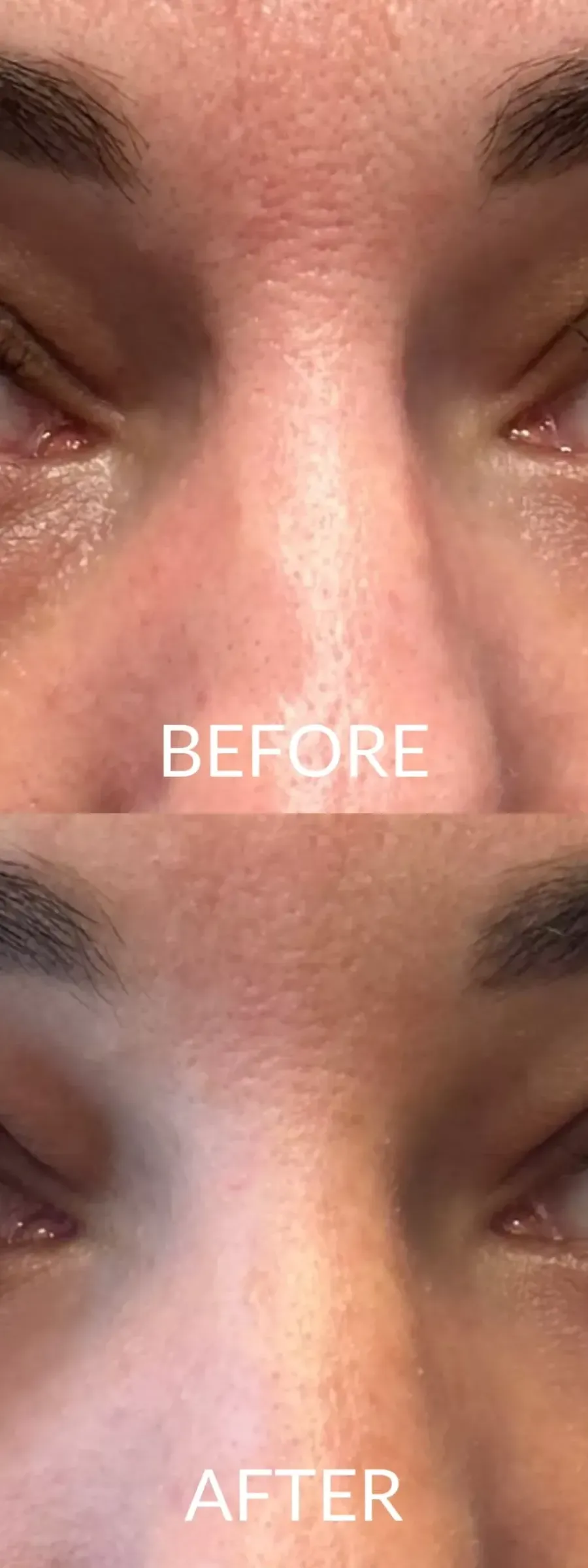
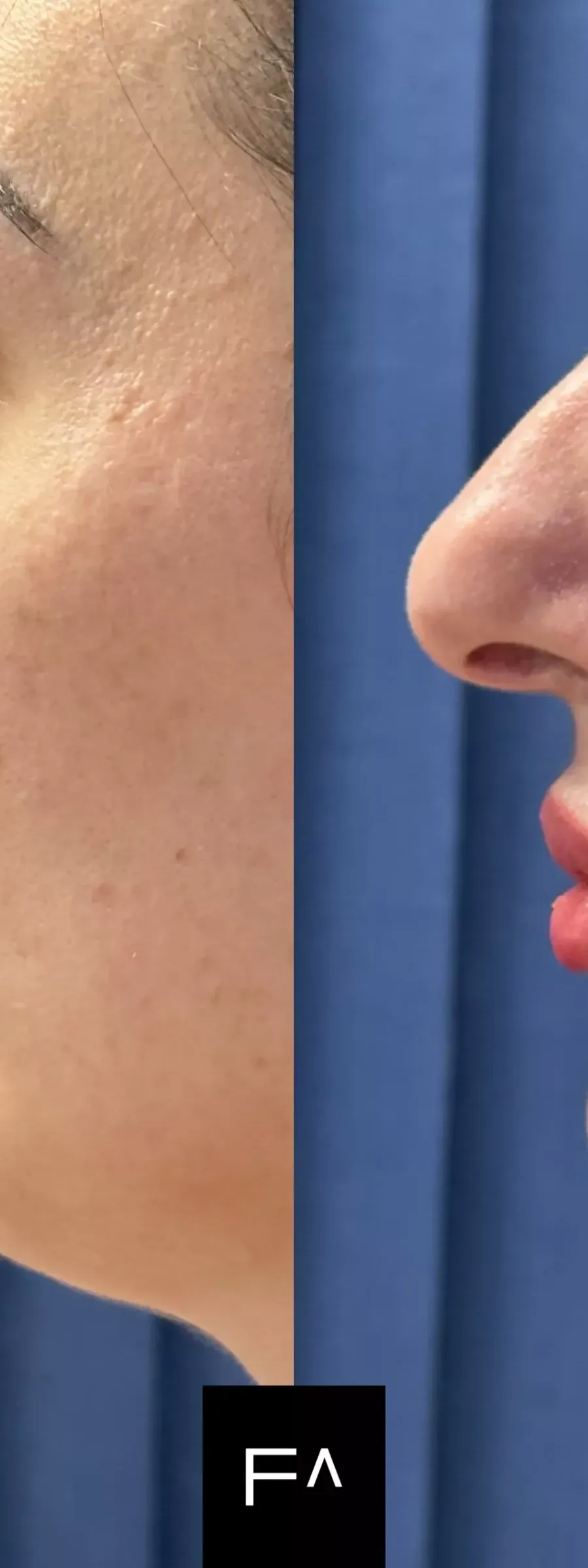
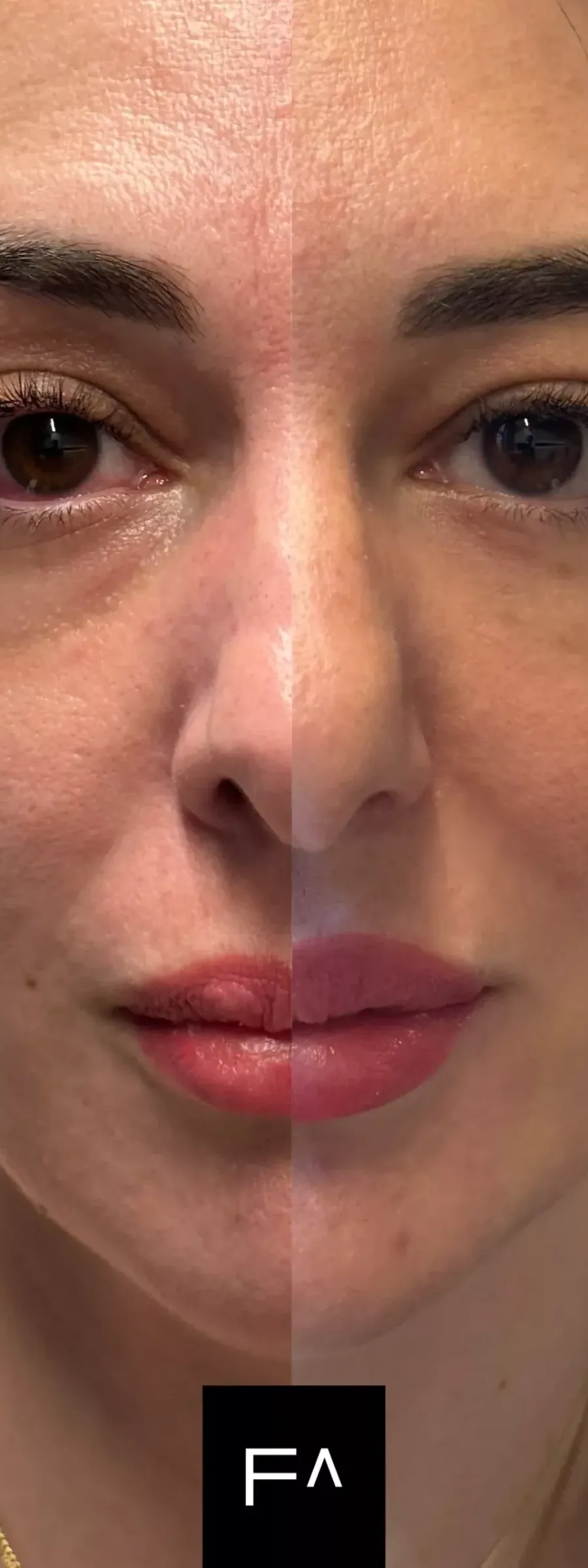
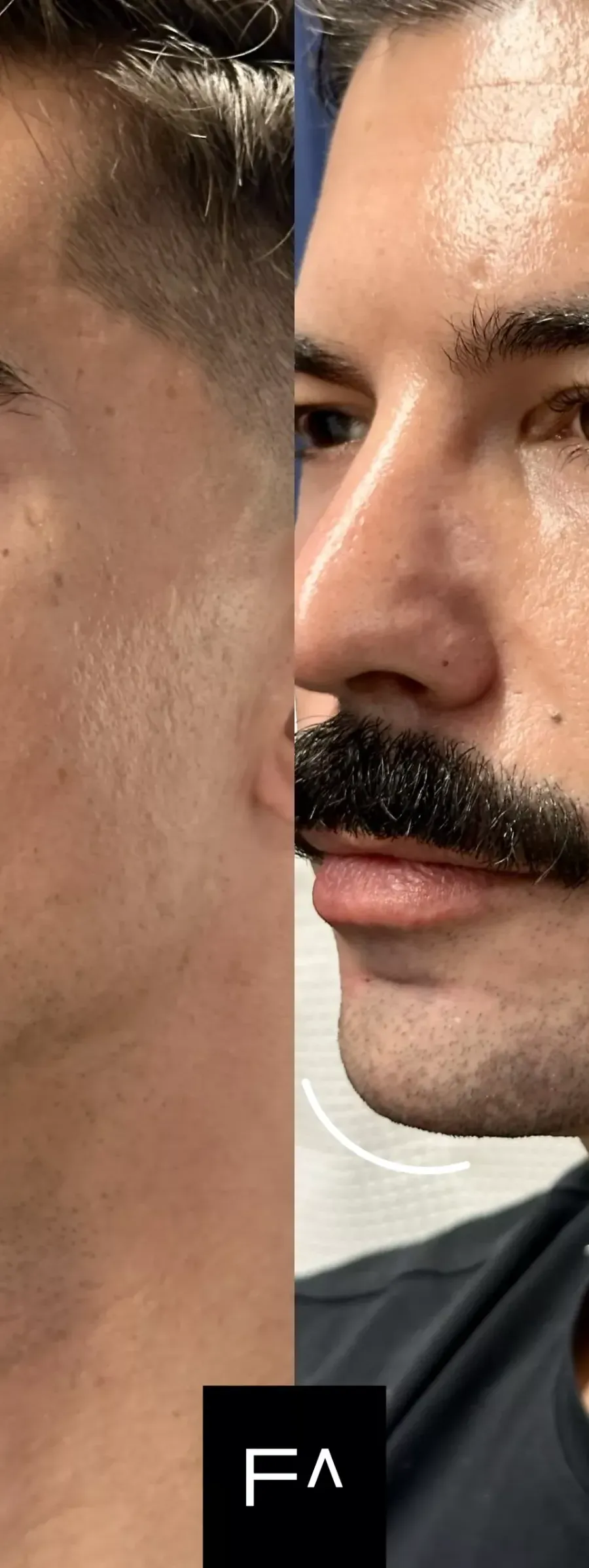
Benefits of hyaluronic acid
Deep hydration
Replenishes moisture in the skin
Reduction of wrinkles and fine lines
Fills and smooths the skin
Volume restoration
In cheekbones, lips, nose, eyes
Improvement of skin texture and tone
Makes the skin more even and radiant
Natural result
Adapts to facial expressions
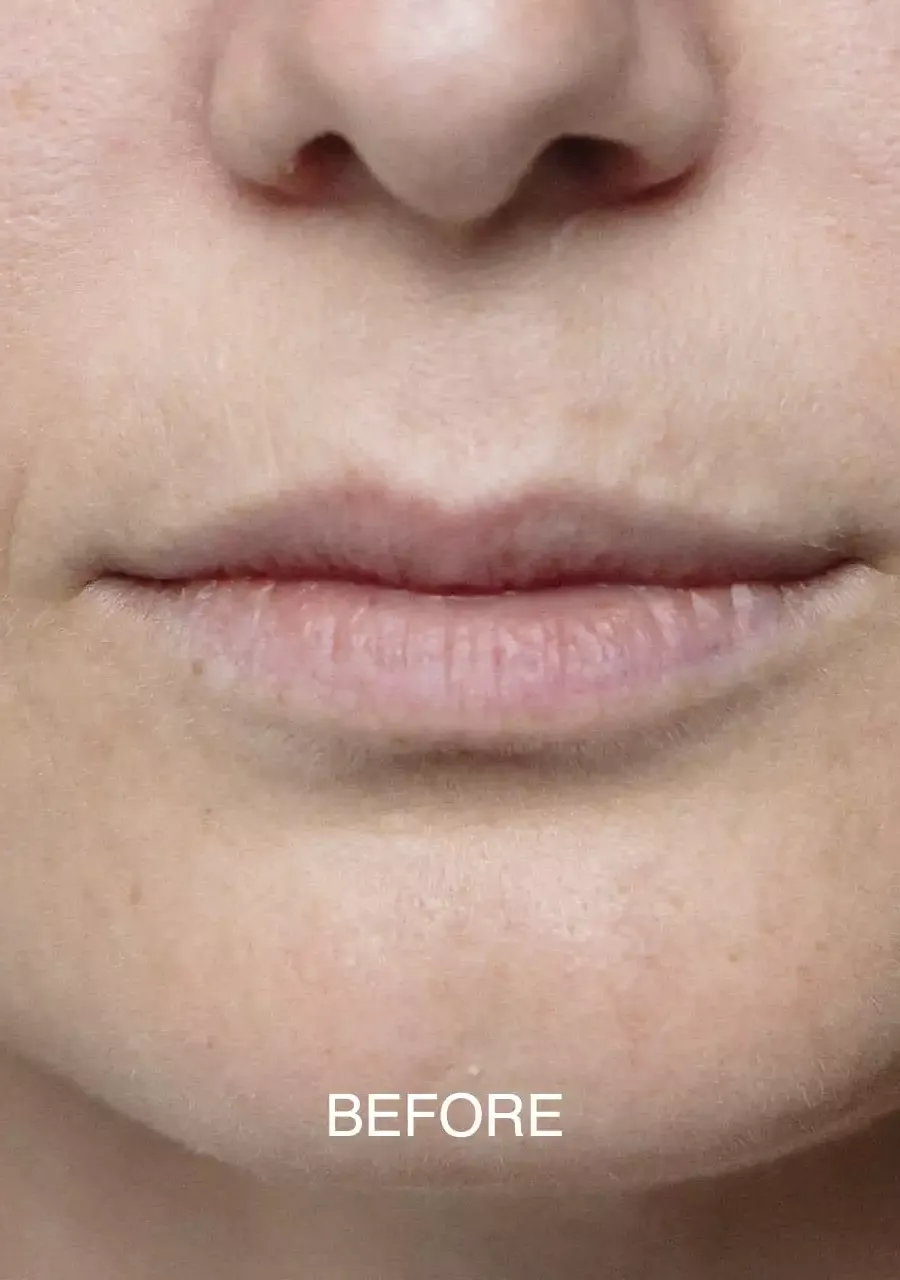
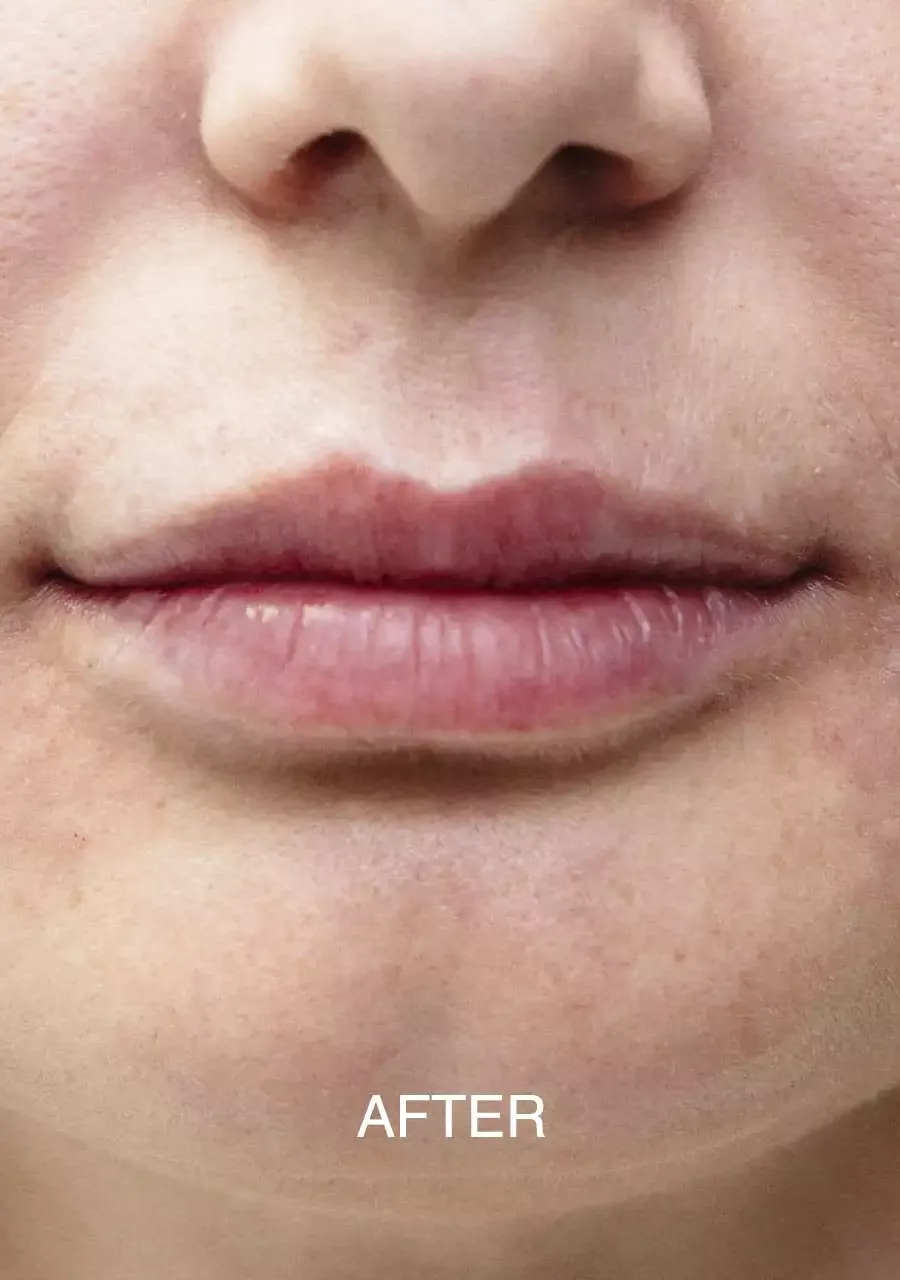
Beautification
Lips
Beautification
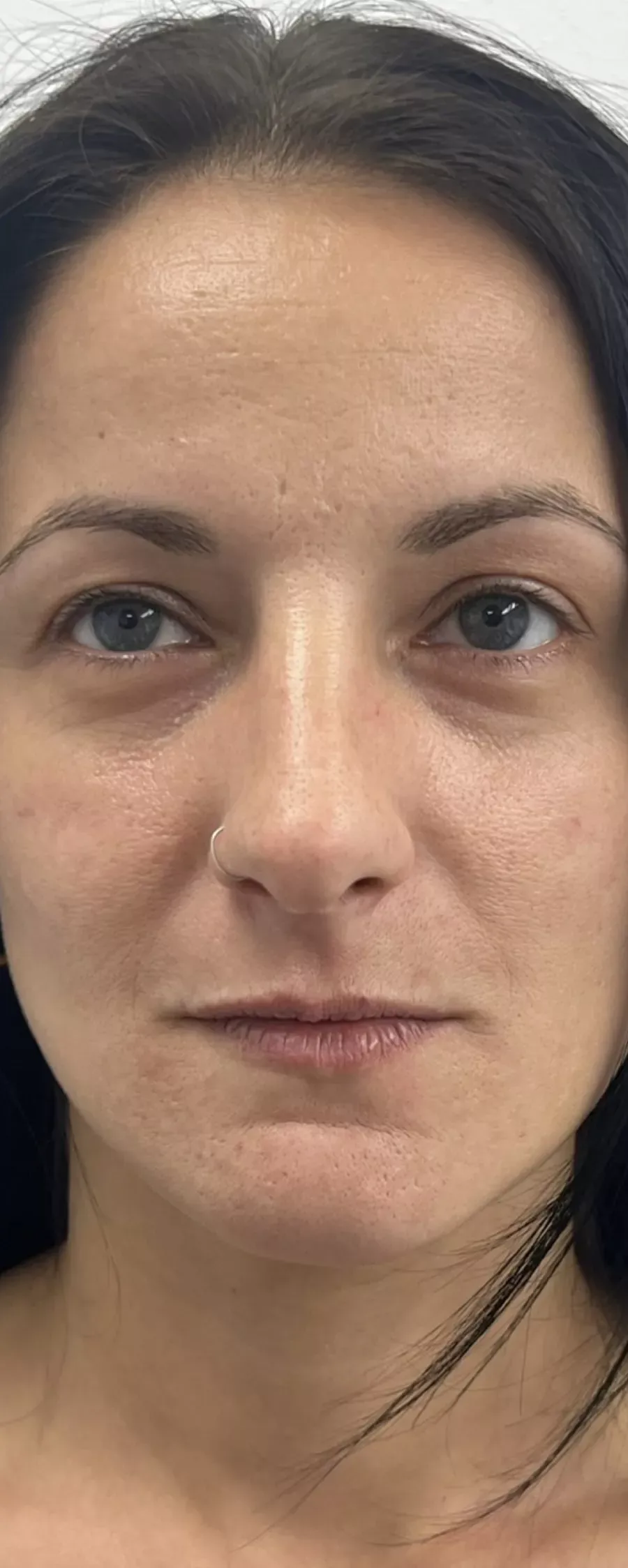
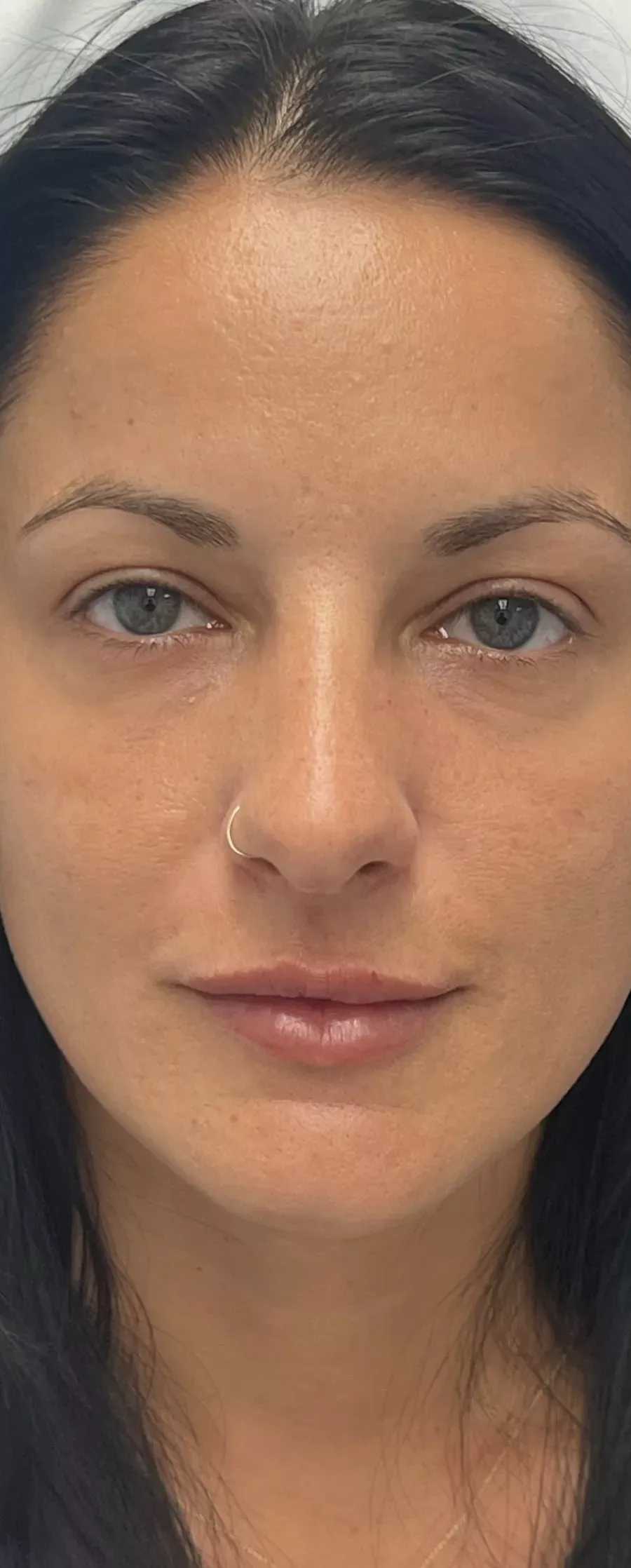
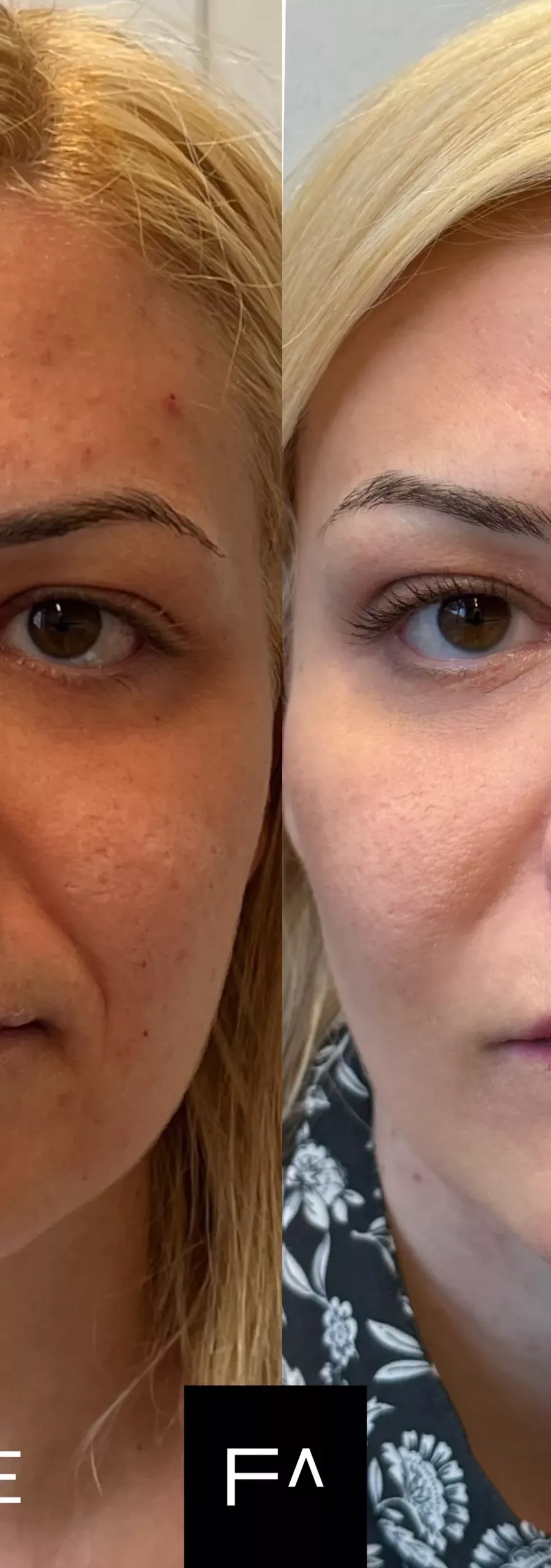
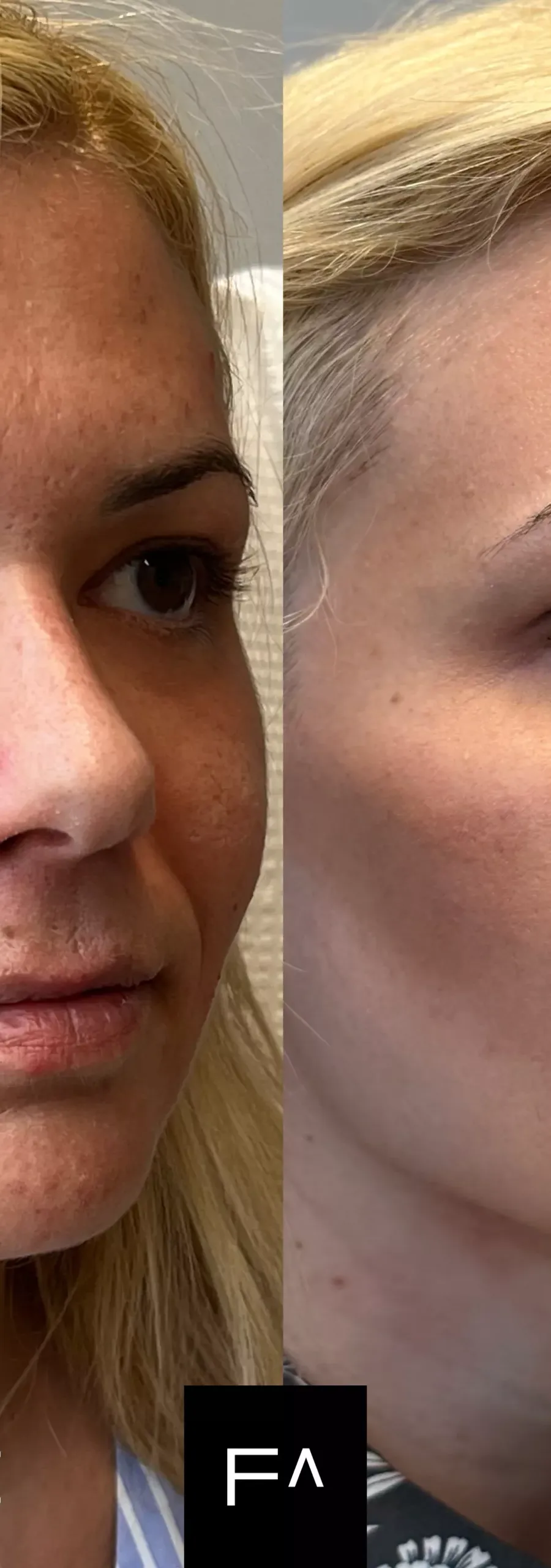
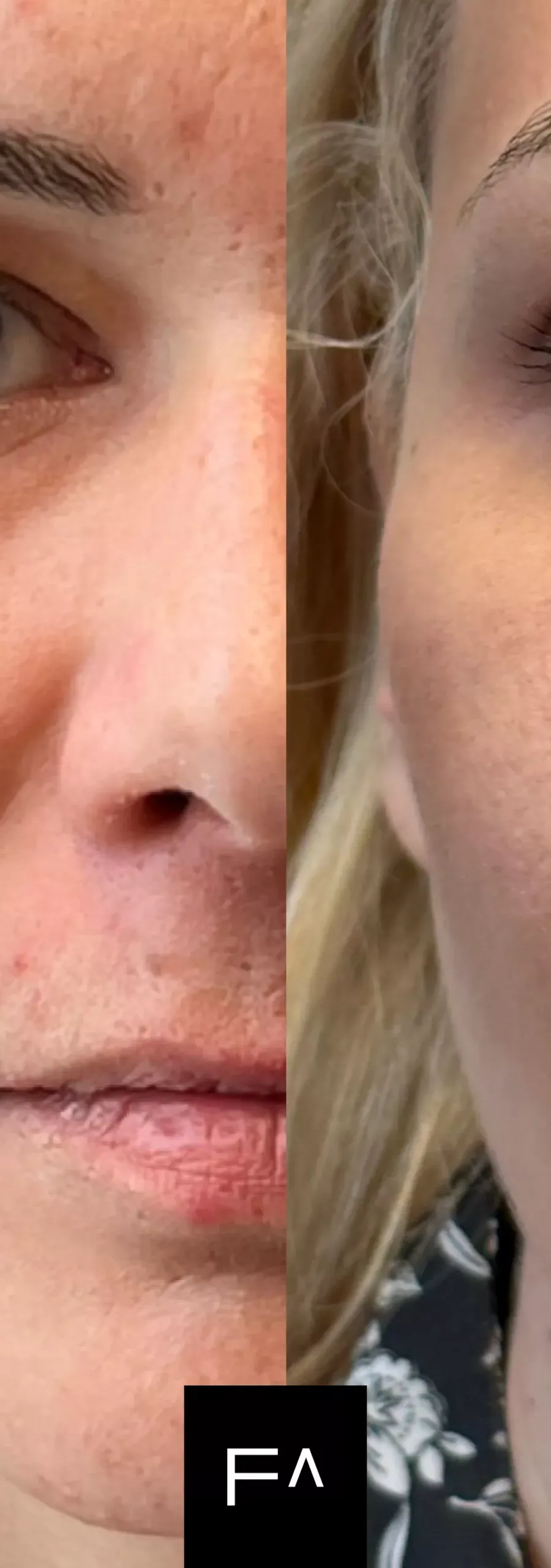
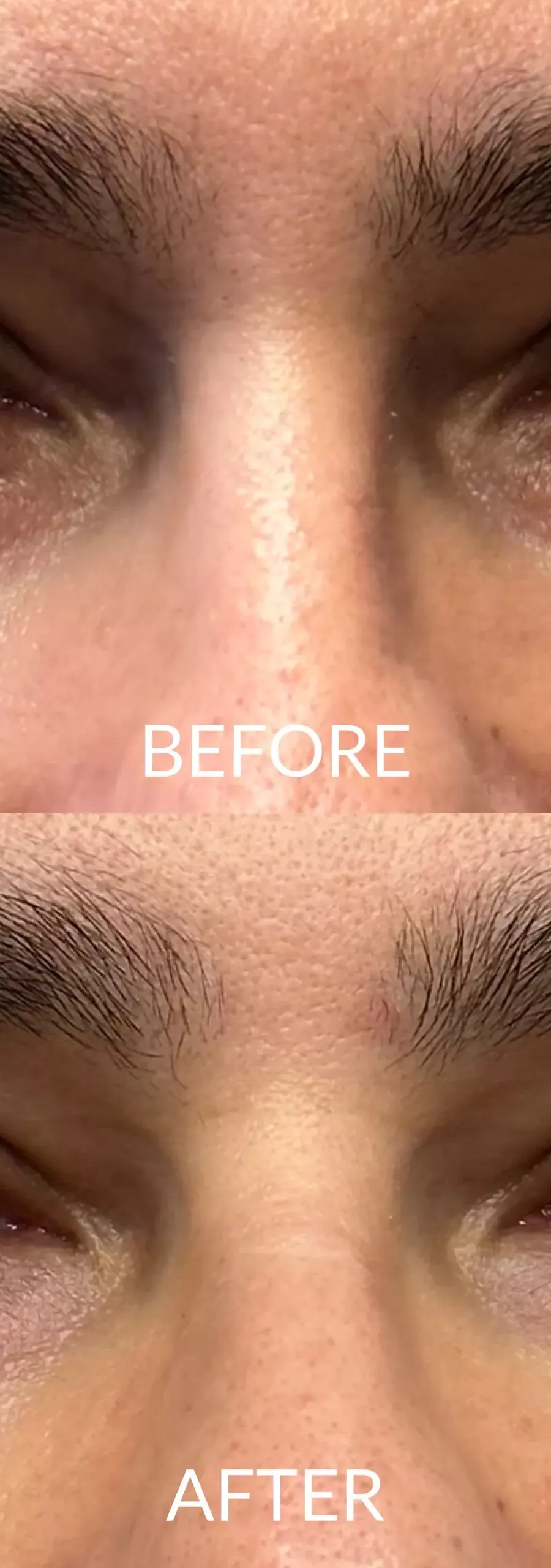
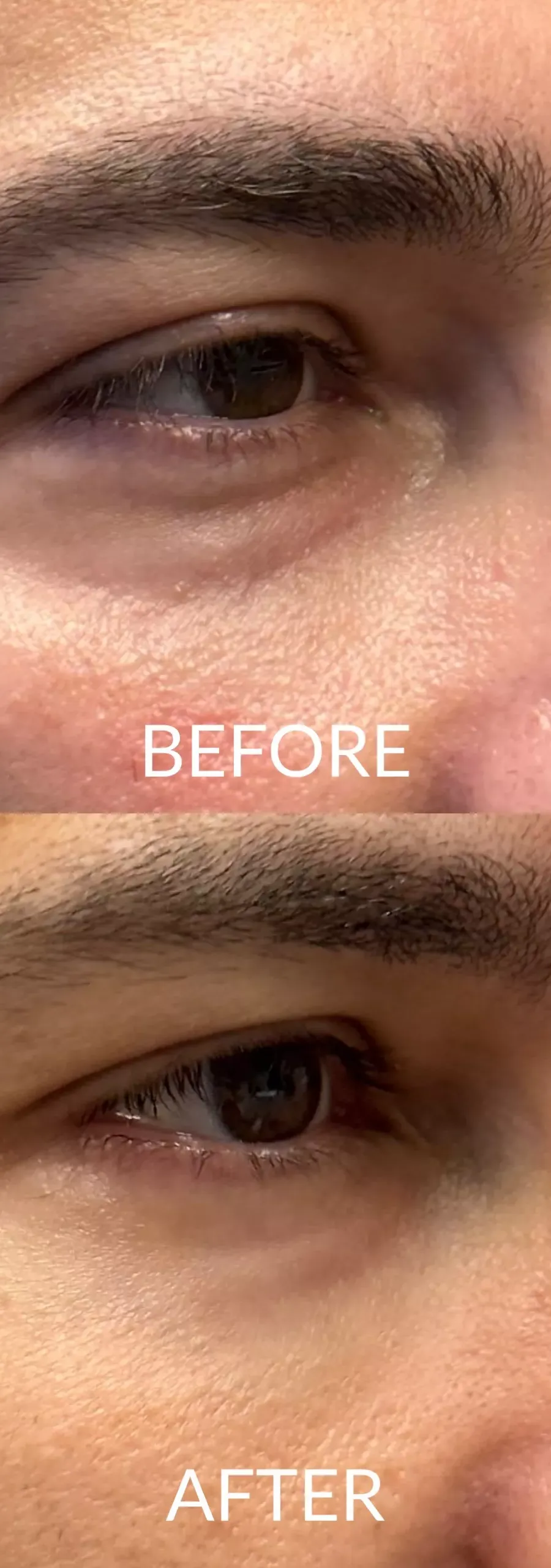
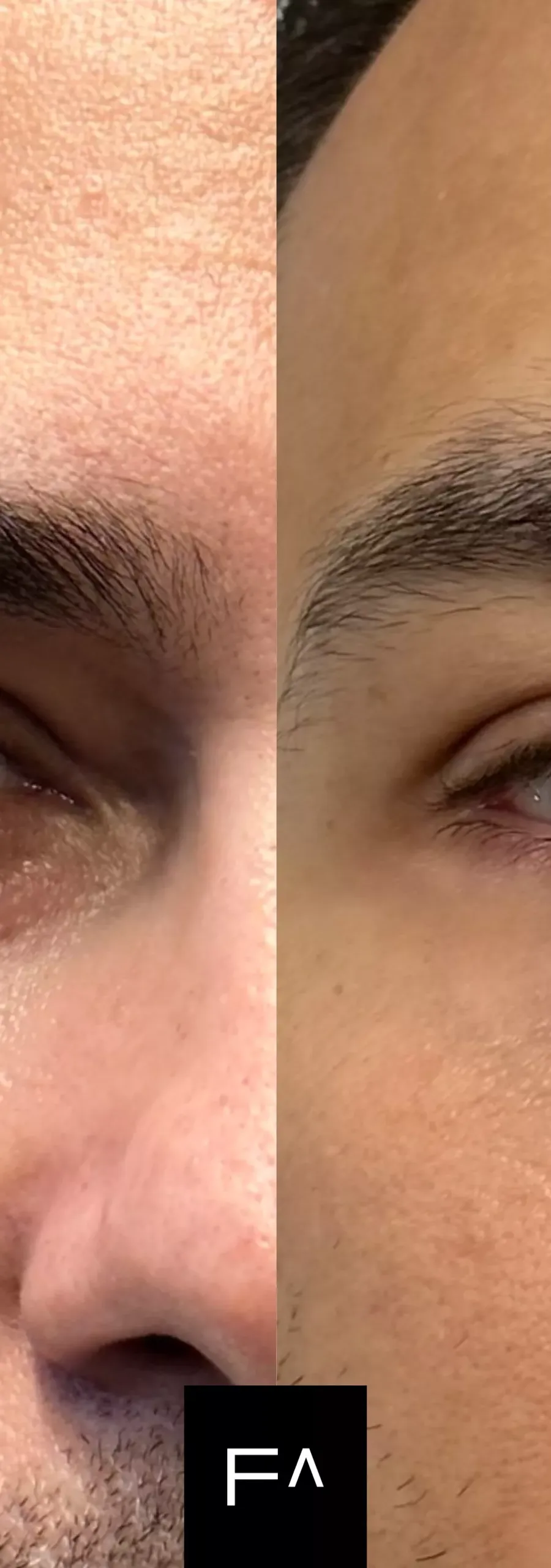
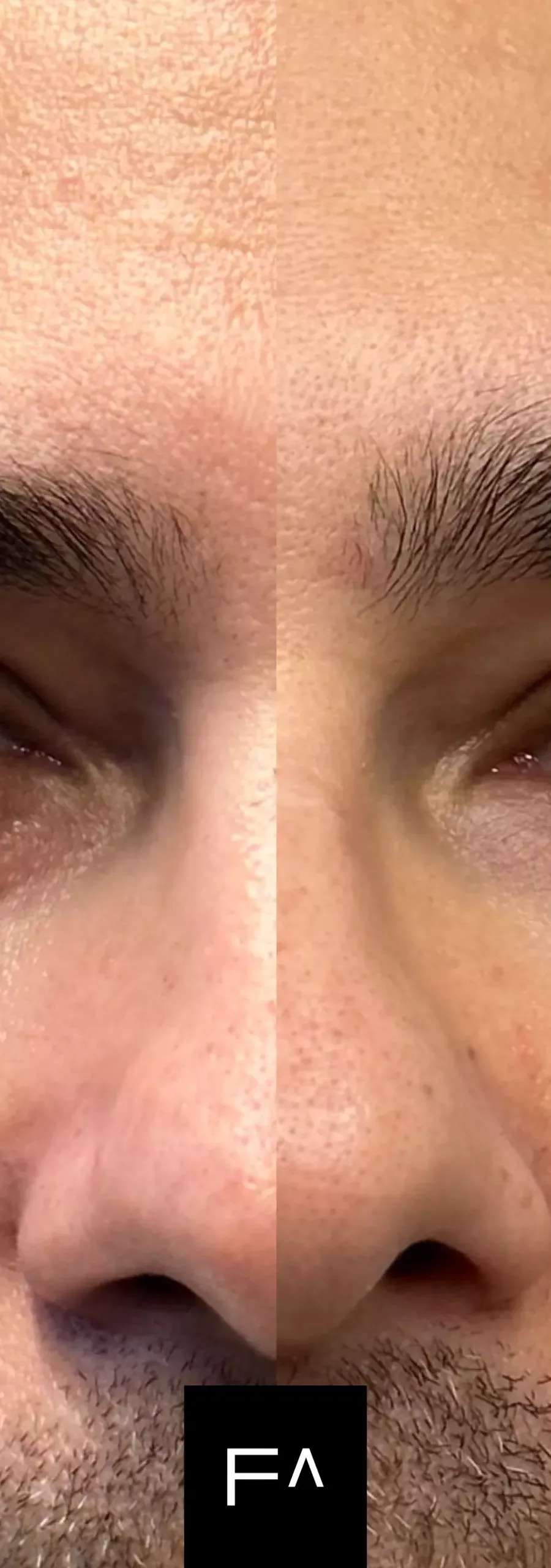
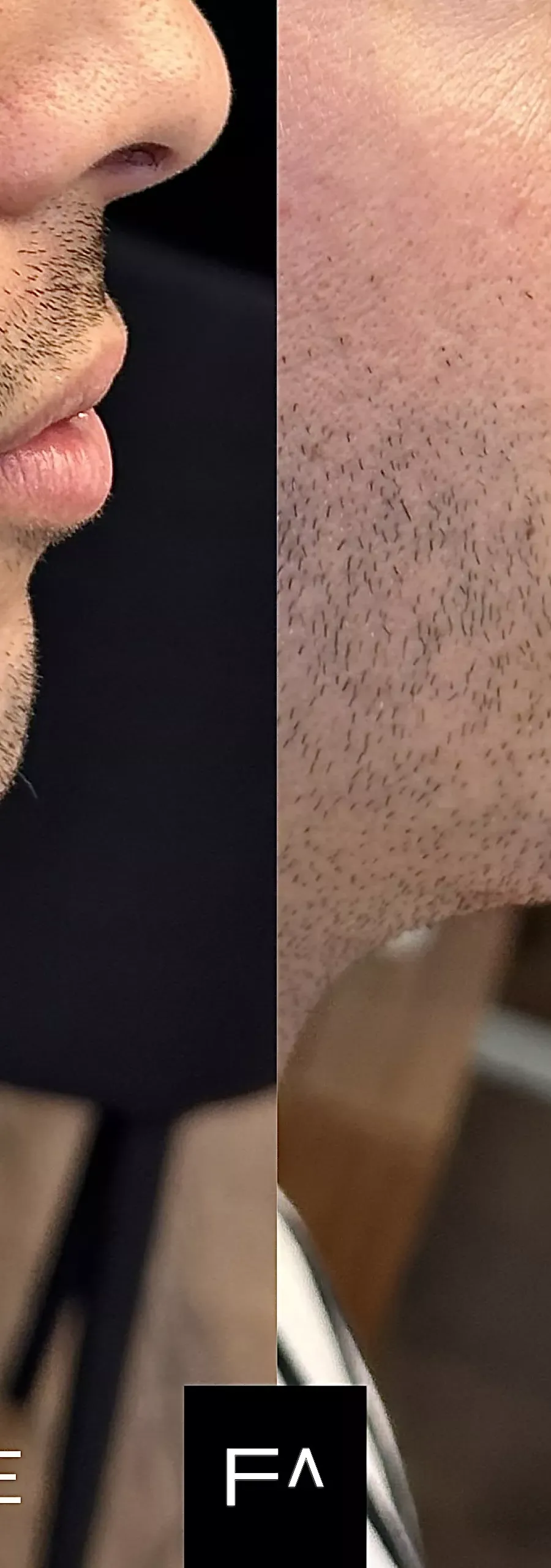
Areas for Hyaluronic Acid Application
It is a versatile treatment that can be applied to various areas of the face, offering customized results depending on your needs.
Lips
One of the most expressive and attractive features of the face, the lips, also succumb to the ravages of time. They become thinner and dull. Hyaluronic fillers are an ideal choice for restoring lip volume and for restoring the aesthetics of one of the strongest points in the face's appearance. For this reason, lip augmentation is one of the most popular hyaluronic treatments in the world.
Eyes & Cheeks (Cheekbones)
If you want to enhance your cheekbones, hyaluronic acid fillers are the ideal choice. Over time, the volume and firmness in the cheekbone area decrease and the face begins to look more "tired".
Nasolabial Folds
Lines extending from the sides of the nose to the corners of the mouth. The so-called smile lines although they were the first lines we used to treat and address, the modern approach requires us to have covered the volume needs overall across the entire face ( cheekbones, tear trough (eyes), chin, lower jaw) and finally to correct this area.
Chin
Improves face shape and profile.
Jawline Angles
Improves the oval of the face and provides symmetry and sharper angles.
Smoker's Lines
Fine wrinkles above the upper lip.
Marionette Lines
Vertical lines that start from the corners of the mouth towards the chin.
Deep Acne Scars
Filling deep acne scars on the face with hyaluronic acid offers immediate results lasting approximately 1.5 years.
Why does natural hyaluronic acid decrease over time?
Due to age
As years pass, skin cells lose the ability to produce hyaluronic acid at the same rate. This is a natural cause that affects us all.
From external factors
There are factors that can reduce hyaluronic acid. Some of these include pollution, excessive sun exposure, and smoking. These typically cause oxidative stress, which damages skin cells and makes it harder for them to retain moisture.
From hormonal changes
Hormonal fluctuations can affect the production of hyaluronic acid, leading to drier and less elastic skin.
Hyaluronic Acid for the Eyes
Hyaluronic Acid Application Procedure
Local Anesthesia
Local injectable anesthesia is administered to ensure the procedure is well tolerated.
Material Placement
The material is injected into the area we wish to improve.
Sunscreen & Regenerative Cream
Sunscreen with regenerative and soothing properties is applied.
The Hyaluronic Acid Application Procedure
Consultation with the specialist
Initially, the specialized doctor evaluates the skin and facial features. Then you will discuss your desires, goals, and any potential concerns you may have. Afterward, the doctor will propose a personalized treatment plan for you, ensuring that the result is natural and proportionate to your features.
Area Preparation
To ensure a comfortable and painless procedure, local anesthesia is used to make the process well tolerated.
Hyaluronic Acid Treatment
The doctor carefully injects the material into the appropriate areas, aiming to improve volume, skin texture, or eliminate wrinkles. The procedure usually lasts from 15 to 30 minutes, depending on how many areas are treated and the amount of hyaluronic acid needed.
Immediately after treatment
Once the treatment is complete, a moisturizing cream may be applied to the area to reduce skin redness. Your specialist will provide detailed aftercare instructions for the first few days following the treatment.
Pre-treatment instructions
- Avoid alcohol for 48 hours prior
- Inform your doctor if you are taking any medications or have allergies
- Arrive at your appointment without makeup for a better skin assessment
What to do to make the results last longer?
- Regular maintenance sessions: Ask your doctor when you will likely need the treatment again before the results completely fade.
- Skin care: Use quality skincare products that moisturize and support skin health.
- Sun protection: Try to avoid excessive sun exposure and use sunscreen when necessary.
See our related page for detailed instructions after hyaluronic acid treatment.
Application techniques: Needle and cannula
Hyaluronic acid treatment can be performed in two main ways, using a needle or a cannula. The needle is extremely thin, allowing for precise and targeted application, and is ideal for small areas and fine lines. However, it may cause minor bruising due to the application method.
On the other hand, a cannula is a thin, blunt-tipped needle that is less likely to damage blood vessels. It is excellent for larger areas, such as the cheekbones or chin, as it reduces the risk of bruising and provides a more even distribution of the material.
The doctor chooses which method is suitable, depending on your needs and the specific characteristics of each application area.
How do fillers differ from each other?
Hyaluronic acid fillers differ depending on their molecular weight and density. Specifically:
- High molecular weight: Thicker hyaluronic acid, ideal for areas requiring structural support and volume enhancement, such as cheekbones, chin, and jawline.
- Medium molecular weight: Provides natural volume restoration, suitable for areas such as nasolabial folds, lips, and deeper wrinkles.
- Low molecular weight: Fine and subtle, excellent for superficial lines, fine wrinkles, and skin hydration.
Contraindications of the treatment
Hyaluronic acid treatment is generally extremely safe, but there are certain conditions in which it should be avoided or performed with extreme caution. The main contraindications are:
- Pregnancy and breastfeeding: There is insufficient data on the safety of fillers during pregnancy and breastfeeding, so it is recommended to avoid them during these periods.
- Allergies: Individuals with a history of severe allergy to hyaluronic acid or product components should avoid the treatment.
- Autoimmune diseases: In cases of autoimmune disease, such as lupus or rheumatoid arthritis, careful evaluation and discussion with the specialist physician are required.
- Thromboembolic events and anticoagulant therapy
Special types of hyaluronic acid for each area
The choice of the appropriate hyaluronic acid depends on the facial area and the desired result:
Low-viscosity hyaluronic acid
It has a thin and mild consistency, suitable for areas where we want the material to move with facial expressions, such as the lips and nasolabial folds.
High-viscosity hyaluronic acid
Ideal for structural enhancement and volume creation in areas that need stronger support, such as the cheekbones, chin, or jawline. It provides lasting results and further highlights your features.
Hyaluronic Acid Fillers – Price
Hyaluronic acid starts from €250 per 1ml — lips, cheekbones, nasolabial folds or under-eyes.
All prices by area
- Fillers · Lips 1ml — 250€
- Fillers · Cheekbones 1ml — 250€
- Fillers · Eyes 1ml — 250€
Where we do hyaluronic acid fillers: Athens, Gerakas, Tripoli
The same medical protocol, the same prices and medical supervision at all three Facemed Clinic locations.
How much do hyaluronic acid fillers cost?
Hyaluronic acid at Facemed Clinic starts from €250 per 1 ml — the same price for every area (lips, cheeks, nasolabial folds, under-eyes). The final cost depends on how many ml you need; prices are identical in Athens, Gerakas and Tripoli. See the exact prices above and on our lip filler page.
How long do the results last?
Usually 12 months, depending on the area and the product we use: lips 9–12 months, cheeks 12–18 months, and under the eyes even 2–3 years. Hyaluronic acid is absorbed gradually and naturally; one maintenance session a year keeps the result.
Do hyaluronic acid injections hurt?
Not really. We use injectable local anaesthesia and most fillers already contain lidocaine. You will feel pressure or a slight pinch, not pain. The treatment takes 15–30 minutes and you can return to your activities straight away.
What should I avoid after hyaluronic acid?
For 24 hours avoid make-up, intense exercise, alcohol and heat (sauna, sunbathing), and do not press or massage the area for 1–2 weeks. Sleep on your back the first night. See the full aftercare instructions.
When does the swelling and bruising go away?
Swelling peaks the next day and settles within 2–3 days; on the lips it can last 5–7 days. A bruise, if it appears, fades in 5–10 days and can be covered with make-up from day 2. The final result is assessed at 2 weeks. More: when does filler swelling go down.
Is hyaluronic acid safe? What are the side effects?
Yes, when performed by a doctor with CE-certified product. Hyaluronic acid is biocompatible — it already exists in your skin — and the common side effects (swelling, redness, bruising) are mild and temporary. Serious complications are rare, and the product can be dissolved with hyaluronidase if needed. At Facemed Clinic every treatment is performed by a specialist plastic surgeon or dermatologist. Read about side effects in detail.
Hyaluronic acid or Botox — which one is right for me?
They do different jobs: Botox relaxes muscles and smooths expression lines (forehead, frown lines, crow's feet), while hyaluronic acid restores volume and fills static lines (nasolabial folds, lips, cheeks, under-eyes). They are often combined in the same session. See the comparison hyaluronic acid or Botox and our Botox page.
Can hyaluronic acid be reversed if I don't like it?
Yes — it is the only filler that can be fully reversed. An injection of hyaluronidase dissolves the product within 24–48 hours, which makes it the safest first choice if you are hesitant. See how hyaluronidase works.