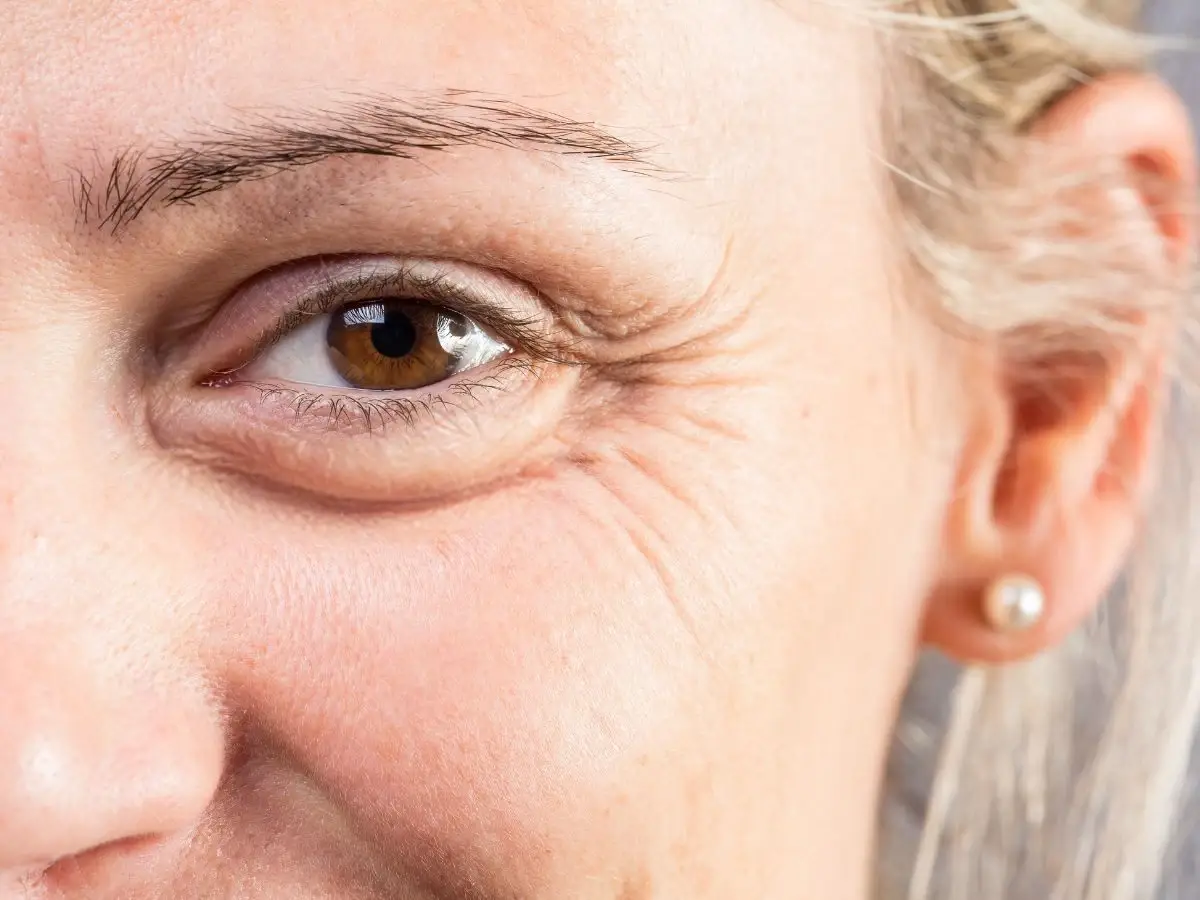
What are Crow's Feet?
The much-discussed “crow's feet” or “goose's feet” describe the wrinkles observed at the outer corner of the eye, which extend towards the temples.
They were named as such because they resemble the shape of a goose's or crow's foot.
Crow's feet belong to expression wrinkles, which are the result of repetitive movements that activate the microscopic muscles in the area, creating small folds.
Wrinkles follow the natural aging process during which collagen and elastin, the two main proteins responsible for skin firmness, gradually decrease.
The skin around the eyes is much thinner than other areas of the face, leading to premature signs of aging appearing there.
Dynamic & Static Wrinkles
We could categorize crow's feet wrinkles into 2 types:
- Dynamic wrinkles, which are created when the face expresses emotion, e.g., with a smile, and do not require treatment.
- Static wrinkles, which exist even at rest and prompt individuals to seek treatment.
Treatment
The goal of crow's feet treatment is to improve appearance and boost self-confidence.
One of the most popular options used in aesthetic medicine for this specific area is FDA-approved botox.
Botox, which has the ability to relax the muscles in the area, making the skin appear smoother, is used for both therapeutic and preventive reasons.
Treatments
Articles
Refresh your look with hyaluronic acid in the eyes
What is forbidden after Botox?
Hyaluronic acid or Botox: Which treatment is right for you?
Eye mesotherapy for dark circles
Instructions after hyaluronic acid: Everything you need to know
How can I prevent the appearance of “crow's feet” on my face?
Anti-aging care for the area with cleansing and moisturizing, and the application of an appropriate eye cream, will protect the skin. Also, the use of sunscreen, proper hydration, sufficient sleep, and limiting alcohol generally help prevent premature aging.
Which doctor should I consult for botox injections for “crow's feet”?
The plastic surgeon or dermatologist is responsible for botox injectable treatment, as they understand the anatomy of the face to prevent the toxin from spreading beyond the treatment area.