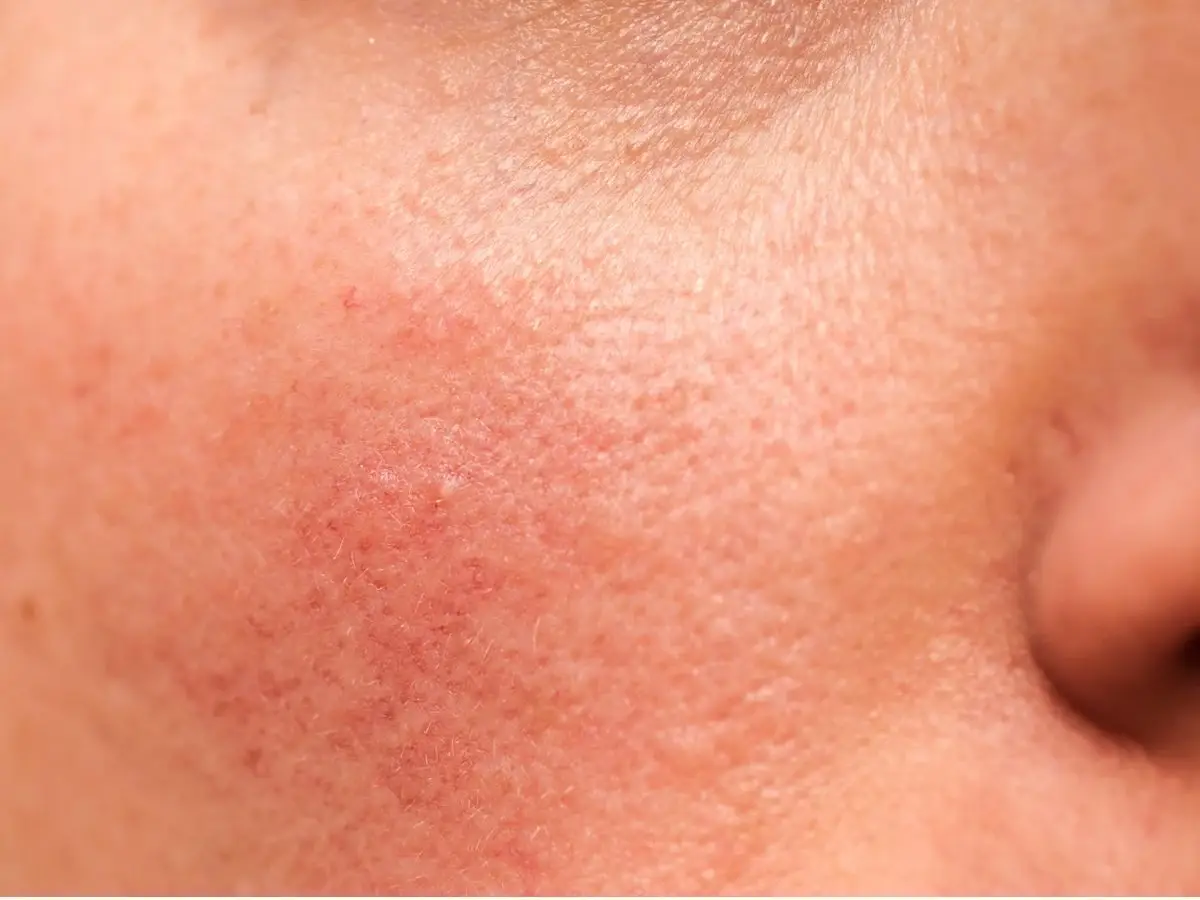
What is Dry Skin?
Dry skin, or xeroderma, is a very common skin condition affecting all ages.
It usually isn't a serious problem; however, sometimes it requires patience and persistence to manage.
It occurs when the skin lacks the necessary moisture and natural oils it needs to maintain its smooth texture and elasticity.
Areas of Appearance
Dry skin can appear anywhere on the body, but it is most commonly found on the feet, hands, face, elbows, around the mouth, and on the genitals.
Skin that has "dried out" is visibly dehydrated, with redness, fine lines, and even cracks that may "open up."
Furthermore, it peels, causes itching, looks and feels rough.
Causes of Dry Skin
There are many causes of dry skin, starting from our age.
As we get older, it becomes more difficult to maintain moisture in our skin, and causes include a series of daily routine habits, such as heat from central heating or fireplaces, cold and dry climate conditions, very hot baths, as well as harsh soaps and fragrances designed to remove oil from the skin.
Furthermore, individuals dealing with another skin condition, such as atopic dermatitis or psoriasis, are very likely to have dry skin.
Treatment
Proper skin hydration and changes in daily routine are often enough to address dryness.
However, when symptoms persist or become painful, consulting a dermatologist is essential for proper skin care to prevent infections or atopic dermatitis.
I have dry skin. Should I avoid products with specific ingredients?
The American Academy of Dermatology recommends that when you have dry skin, you should avoid skincare products with alcohol, alpha hydroxy acids, fragrances, and retinoids.
I moisturize my skin but the dryness persists. Why?
You may be washing your skin too often or with very hot water, or you may not be using the right moisturizer for your skin type. Visiting a dermatologist is the most appropriate action.