Medically reviewed by: Dr. Nikolas Dimitroulas, Plastic Surgeon — Last reviewed: August 27, 2026
Cellulite Treatment: Modern Ways to Combat It
Have you ever looked in the mirror and hoped that those 'dimples' on your buttocks or thighs would disappear? It's something that occurs in 85-95% of women.
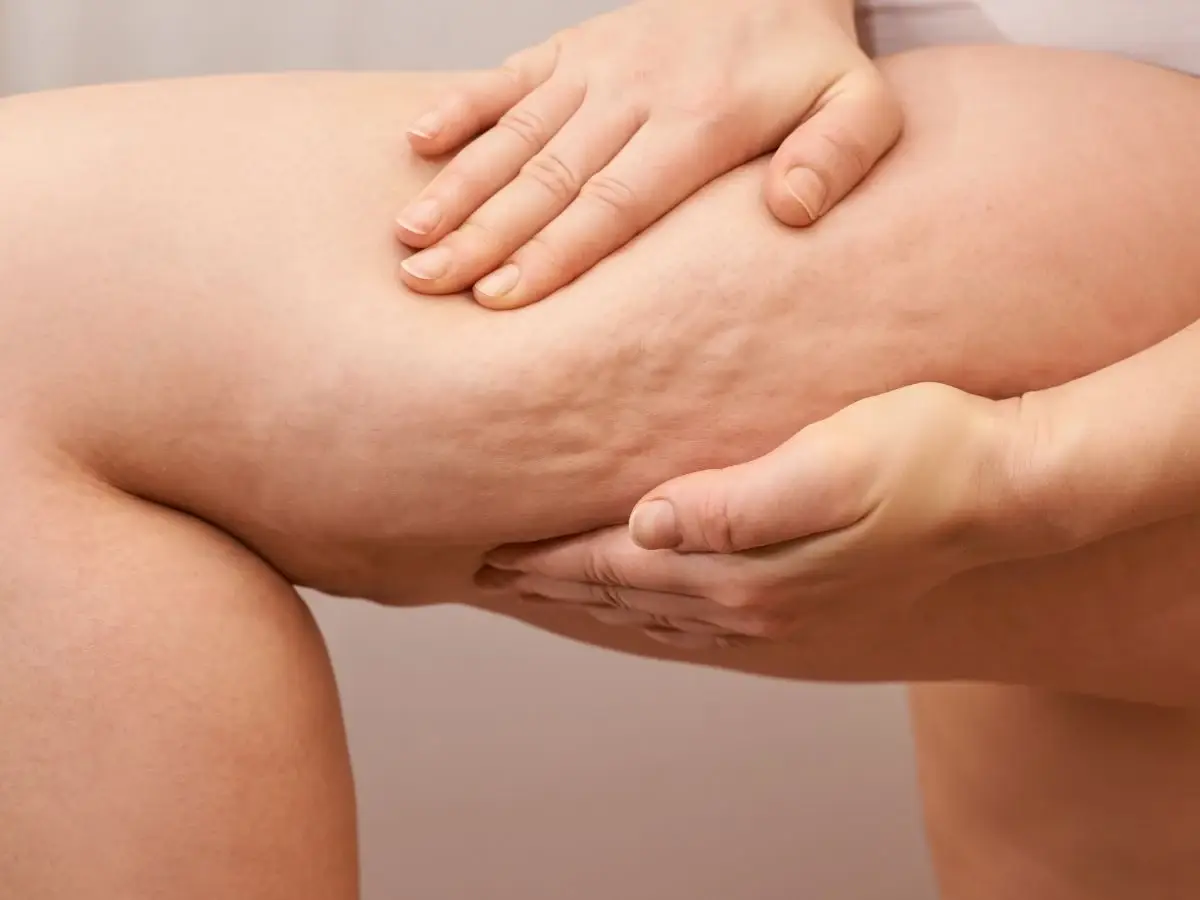
Although cellulite is not considered a medical condition, the 'orange peel appearance' concerns a great many people worldwide, primarily women but also men. For many, it is a significant aesthetic issue and their self-confidence can be affected by their body image.
The good thing is that nowadays, in modern aesthetic medicine, various safe and effective methods have been developed for cellulite treatment.
What is cellulite?
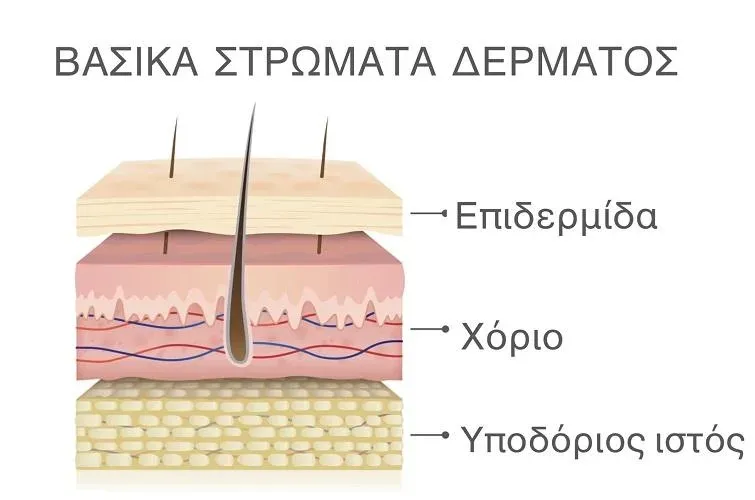
Cellulite gets its name from the 'fat cells' that accumulate beneath the skin. Although the suffix '-itis' indicates inflammation, in this case, we are not talking about an inflammatory condition.
In reality, it is simply normal fat, which, combined with other factors such as hormones and heredity, unevenly presses on the skin and causes the characteristic 'dimples'.
Although cellulite is not considered a medical problem, it can make us feel uncomfortable with our body image. It appears more often in women because the structure of their skin and underlying tissue is different from that of men.
It is important to know that cellulite is not just about weight, as it can appear in leaner individuals as well.
What causes the appearance of cellulite
Heredity
If some members of your family had cellulite, then it is more likely that you will also develop it. Heredity plays a role in the skin structure and where fat is stored on the body.
Hormonal changes
Hormonal changes, and especially those that occur in women during puberty, pregnancy, or menopause, can affect cellulite.
Women, because they have higher levels of estrogen, usually develop cellulite more frequently in the areas of the buttocks, thighs, and abdomen.
Age
As years pass, our skin becomes less elastic because collagen production decreases. This can make cellulite appear more pronounced.
Diet and hydration
A diet rich in fats, sugar, and salt can worsen cellulite. Salt, for example, causes fluid retention, while sugar can be stored as fat. Additionally, if there is insufficient hydration, skin elasticity decreases, making it appear less firm.
Sedentary lifestyle
Lack of exercise affects blood and lymph circulation, making it difficult for the body to eliminate metabolic waste. Furthermore, when muscles are weak, (the skin is not properly supported and there is laxity).
Smoking and stress
Smoking negatively affects collagen, which is essential for skin firmness. Also, intense stress can lead to hormonal changes, which in turn can increase fat accumulation.
Grades of Cellulite
Cellulite is categorized into three stages, depending on its severity. This helps specialists choose the appropriate treatment.
Mild Cellulite
In this first stage, the skin surface appears smooth when you are relaxed. The “orange peel” appearance is only visible when you press the area with your hands.
Moderate Cellulite
In the second stage, the characteristic dimples are evident when you are standing, but disappear when you lie down. The skin has a more pronounced “orange peel” appearance.
Advanced Cellulite
In this stage, cellulite is visible regardless of body position. The dimples are deeper and are often accompanied by skin laxity.
Nurnberger–Müller Scale
- Stage 0: Smooth skin, even when pressed
- Stage 1: Smooth in a standing position, shows dimples only when pressed
- Stage 2: Indentations are visible when standing, smooth out when lying down
- Stage 3: Visible indentations in any position, often with laxity
Types of Cellulite
Hard (fibrotic)
It has a compact feel, as if you have small nodules under the skin. It often “sticks” to the thighs and buttocks of young or athletic women, where adipose tissue is densely bound to connective tissue. The orange peel texture becomes intense when you squeeze the skin and is accompanied by reduced elasticity.
Soft (flaccid)
It feels like “jelly” to the touch and moves when you walk or change position. It often appears after sudden weight fluctuations or a sedentary lifestyle. Here, the connective tissue has loosened and fat cells push outwards, creating visible indentations even without pressure.
Edematous
Combines fluid retention and inflammation. The legs appear “heavy”, there is slight swelling and a feeling of tension in the skin. This is the rarest but also the most persistent form, requiring simultaneous improvement of lymphatic circulation.
“ 9/10 women suffer from some degree of cellulite ”
A systematic review published on PubMed examines the efficacy and safety of invasive and non-invasive treatments for cellulite and offers valuable information on treatment options. They concluded that SWT, radiofrequency therapy, and subcutaneous injectables appear to offer very promising prospects for the treatment of cellulite.
Where Cellulite Appears
Cellulite in women most often appears on the buttocks, thighs, and abdomen, because these areas naturally have more fat. However, it can also appear on the arms, calves, or hips.
The areas where cellulite appears depend on where fat is stored in the body, as well as on skin elasticity. For this reason, even people of normal weight may have “dimples” in various parts of their body.
Cellulite Treatment at Home
Cellulite can be persistent, but it's possible to see improvement with practices you can incorporate into your daily life. Here are some ways to improve the appearance and texture of your skin:
Dry brushing
One of the most popular and easy techniques to improve lymph and blood circulation. Using a body brush, make circular movements from bottom to top, towards the heart. This helps eliminate toxins and can make the skin firmer and smoother. This is one of the most popular and easy techniques to improve lymph and blood circulation. Using a body brush, make circular movements from bottom to top, towards the heart. This helps eliminate toxins and can make the skin firmer and smoother.
Coffee scrub
Caffeine has the ability to temporarily tone the skin, thereby reducing the appearance of cellulite. Mix ground coffee beans with olive oil or coconut oil and use it as a body scrub 2-3 times a week.
Massage with oils
Frequent massage can significantly improve circulation and provide skin elasticity. Choose natural oils such as almond oil or jojoba oil, and massage the areas with cellulite for 5-10 minutes daily.
Exercise and muscle strengthening
Regular exercise helps tone muscles, reduce localized fat, and significantly improve skin appearance. Add exercises such as squats, lunges, and walking to your routine.
Proper nutrition and hydration
Reduce salt and sugar intake and opt for antioxidant-rich foods such as fruits and vegetables. Drink plenty of water (at least 8-10 glasses a day) to keep your skin hydrated and firm.
With these practices, you can reduce the appearance of cellulite at home and invigorate your skin.
Traditional methods for cellulite treatment
Before we move on to more modern treatments, let's look at some traditional methods that are quite common:
Creams and lotions
There are many creams on the market that promise to reduce cellulite. They can moisturize the skin and make it appear smoother temporarily, but usually do not have a deep action. It is important to know that with just a cream, you will hardly see significant change.
Massage (with cups, brushes, etc.)
Massage can slightly improve skin texture because it increases blood circulation. However, this improvement does not last long. If you stop frequent massage, cellulite may reappear.
Dry brushing
Dry brushing (brushing before bathing) is a practice that aims to improve circulation and exfoliate. It can make the skin softer, but it does not significantly affect cellulite.
Classic liposuction
Liposuction removes excess fat, but it is not the ideal solution for combating cellulite. In fact, in some cases, it can make cellulite even more pronounced if not done correctly.
Modern cellulite treatments
Aesthetic medicine has advanced considerably and offers modern and effective treatments for cellulite. Today, there are advanced methods that directly target the problem and help at every stage of cellulite, from mild to more advanced.
The available treatments are non-invasive or minimally invasive and can improve the appearance of the skin.
Carboxytherapy
What it is: It is a technique that uses carbon dioxide (CO₂). CO₂ is injected with very small needles under the skin.
How it works: The body recognizes the CO₂ and to remove it, it increases blood flow to the area. This improves oxygen supply, renews cells, reduces localized fat, and enhances collagen production.
Benefits: Reduces localized fat, improves skin texture, and fights cellulite, even in advanced stages.
What to expect: There may be slight swelling or redness after the treatment, which quickly subsides. Usually, 6-8 sessions are needed, once a week or every 15 days, depending on your needs.
Exilis Elite
What it is: Combines radiofrequency (RF) and ultrasound to target fat cells and tighten the skin simultaneously.
How it works: The combined action uniformly heats subcutaneous fat and causes lipolysis. At the same time, it enhances collagen production, which makes the skin firmer and smoother.
Benefits: Effectively treats cellulite and localized fat, with almost no discomfort. Usually, a few sessions are needed.
Recovery time: Almost zero. Most people return to their activities immediately; they may just have a slight sensation of mild warmth on the skin.
Morpheus 8
What it is: Uses radiofrequency (Fractional RF) applied with microscopic needles. Initially developed for facial use, it is now also used on the body.
How it works: The tiny needles transmit radiofrequency energy to the deeper layers of the skin, thereby stimulating collagen production.
Benefits: Offers excellent results for cellulite and skin laxity, as it rebuilds the skin from the inside out.
What to expect: There may be slight redness or swelling, which quickly subsides. Depending on the case, 2-4 sessions may be needed.
X-Wave
What it is: Based on acoustic (shock) wave technology. Originally used for musculoskeletal injuries, it is now also applied in aesthetic medicine for cellulite.
How it works: A special applicator delivers targeted acoustic waves into the soft tissue. The vibrations loosen the tight fibrous bands that pull the skin inward and create the "orange peel" look, while improving microcirculation and lymphatic drainage and stimulating collagen production.
Benefits: Smoother, firmer skin, improved elasticity, a non-invasive treatment with no needles and no downtime. It is often combined with Carboxytherapy or Morpheus 8 in more advanced stages.
What to expect: Mild redness or a feeling of warmth that subsides within a few hours. Typically 6-10 sessions are needed, 1-2 times a week, depending on the stage of cellulite.
Body Mesotherapy
What it is: A technique that injects a cocktail of substances (vitamins, fat-dissolvers, amino acids) directly into the middle layer of the skin.
How it works: These substances are customized according to the needs of each case, breaking down localized fat, tightening the skin, and boosting collagen and elastin production.
Benefits: Offers targeted action in treating cellulite and skin laxity, with minimal recovery time.
Side effects: Minor swelling or bruising may occur at the application site, which subsides quickly. Usually, 6-8 sessions are needed, approximately once a week.
Contraindications for treatments
- You are pregnant or breastfeeding
- There is active inflammation or infection at the application site (e.g., dermatitis, herpes)
- Uncontrolled diabetes or severe endocrine disorder
- You have hematological problems (e.g., thrombocytopenia, bleeding diathesis) affecting healing
- You are taking anticoagulants or blood-thinning medications without prior medical advice
- There is severe vascular disease or phlebitis in the area you wish to treat.
- You have a known allergy to any of the injectable solutions or materials used, e.g., in body mesotherapy.
If you fall into any of the above categories, please discuss with your doctor first. They will evaluate alternatives or suggest rescheduling your desired treatment for a later time.
Mild cellulite
At this first stage, the skin surface appears smooth when in a relaxed position. The 'orange peel' appearance is only visible when you gently press the area with your hands.
Moderate cellulite
In the second stage, the characteristic dimples are visible when you are standing, but disappear when you lie down. The skin has a more pronounced 'orange peel' appearance.
Advanced cellulite
At this stage, cellulite is visible regardless of the body's position. The dimples are deeper and are often accompanied by skin laxity.
What is the best treatment for cellulite?
The choice of appropriate treatment depends on various factors, such as the stage of cellulite, your age, and your skin's specific needs.
For example, if cellulite is in its early stages or appears mainly on the buttocks, gentler treatments such as body mesotherapy or X-Wave may be suitable. In more advanced stages, combinations of treatments are recommended, such as Morpheus 8 and Carboxytherapy, which have a simultaneous action in reducing fat and tightening the skin.
It is very important to consult a specialized doctor or aesthetician. An expert at Facemed Clinic will properly evaluate your case and create a personalized treatment plan tailored to meet your needs.
Conclusion
Today, addressing cellulite is more achievable than ever. There are several solutions to remove cellulite which, combined with a healthy daily routine, can significantly improve the appearance of your skin.
Don't let cellulite affect you. At Facemed Clinic, we offer modern treatments with personalized care to provide you with the best possible results. Each treatment is tailored to your needs to help you feel beautiful in your body again.
Book your appointment today and give your skin a smoother, firmer appearance.
Can I completely eliminate cellulite?
The goal of most treatments is to significantly reduce its appearance, but not to permanently eliminate it. However, with the right approach, the results can be impressive.
Is there an ideal treatment for everyone?
Every body is different. The appropriate specialist will suggest the best solution based on the degree of cellulite, body type, and your goals.
How many sessions will I need?
It depends on the treatment and the severity of the problem. It may require 4 to 12 sessions, performed over several weeks or even months.
How long does each treatment session last?
The time depends on the method you choose; for example, Carboxytherapy and mesotherapy take about 15-30 minutes, Morpheus 8 about 45 minutes (including anesthetic cream preparation), while shockwave treatments (X-Wave) are completed in 20-30 minutes.
How long do the results from cellulite treatment last?
If you maintain a healthy lifestyle, the results can last for months or even years. Changes in weight, hormones, and habits (e.g., smoking) can negatively affect the duration of the results.
Are these treatments painful?
Most modern treatments are mild, with discomfort mainly involving a sensação of warmth, tingling, or small pricks. Recovery is very short or not required at all for many of them.
How can I maintain the results for a long time?
To maintain the results after cellulite treatment, continuous effort and the adoption of healthier habits are required. Here are some tips: Maintain a stable weight: Try to avoid large fluctuations in weight, as it affects skin texture. Incorporate light exercise into your daily routine: Even 30 minutes of brisk walking can help with good blood circulation. Limit smoking and alcohol: Skin health is negatively affected by smoking and alcohol. Take care of your mental health: Stress can cause hormonal changes that make fat accumulation easier. Remember that cellulite is influenced by many factors. For proper treatment, a holistic approach is needed.