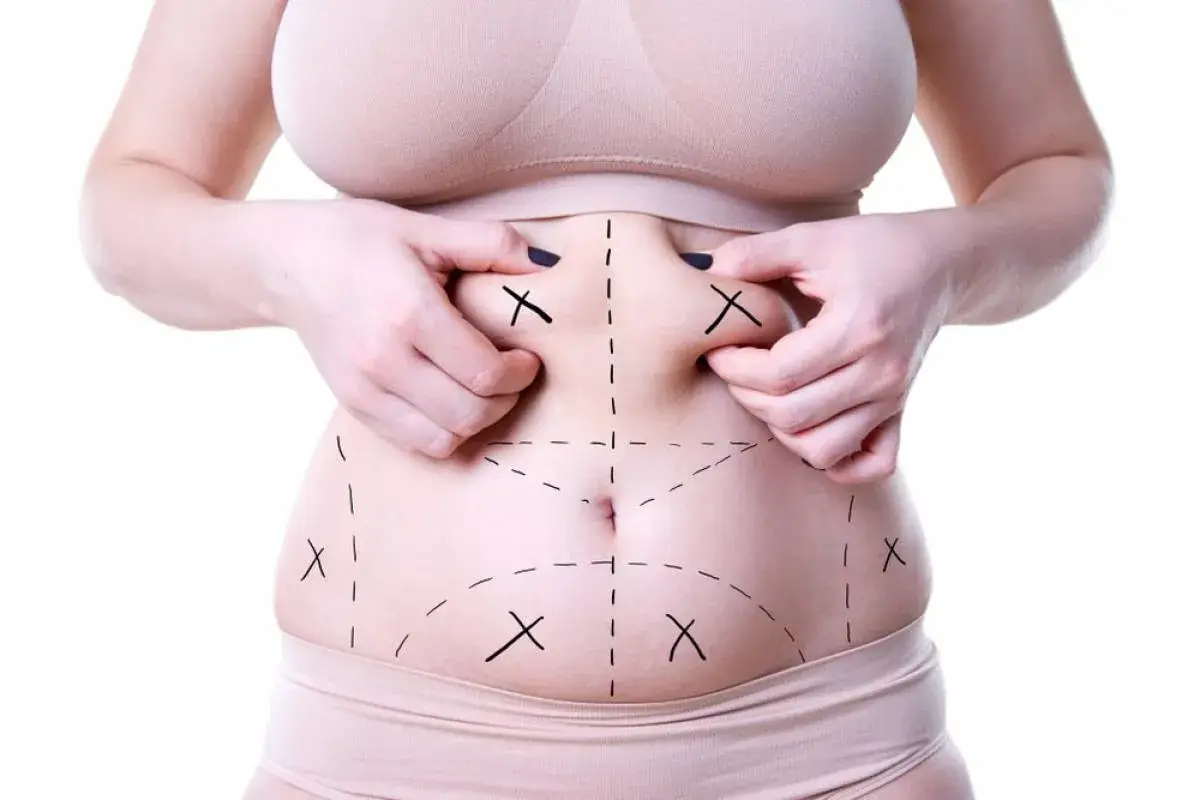
Liposuction is a surgical procedure that uses suction to remove fat cells from specific areas of the body. Through a thin tube (cannula) connected to a vacuum device, the plastic surgeon can remove unwanted fat and sculpt the body's contour. The key is to understand that liposuction is intended for individuals who are close to their ideal weight but want to address areas with stubborn localized fat that does not disappear with diet and exercise.
Abdominal Liposuction
The abdomen is one of the most common areas where fat accumulates, especially in the lower abdominal region. Liposuction can remove fat deposits that create bulges and enhance the area. It is often combined with abdominoplasty for a complete result, especially when there is loose skin.
Thigh Liposuction
The thighs, both inner and outer, can have stubborn fat that creates contour irregularities. Liposuction in this area helps create more harmonious lines and reduces friction that can be caused when walking.
Buttock and Hip Liposuction
The hip and buttock area often has fat deposits that affect body proportion. By removing excess fat from these areas, the silhouette gains a more harmonious and well-shaped appearance. Additionally, the removed fat can be used for fat grafting to the buttocks, providing volume and lift.
Arm Liposuction
The arms are an area where fat can accumulate and create a less toned appearance. Liposuction on the arms helps them achieve a firmer contour, giving a more athletic look.
Chin and Neck Liposuction
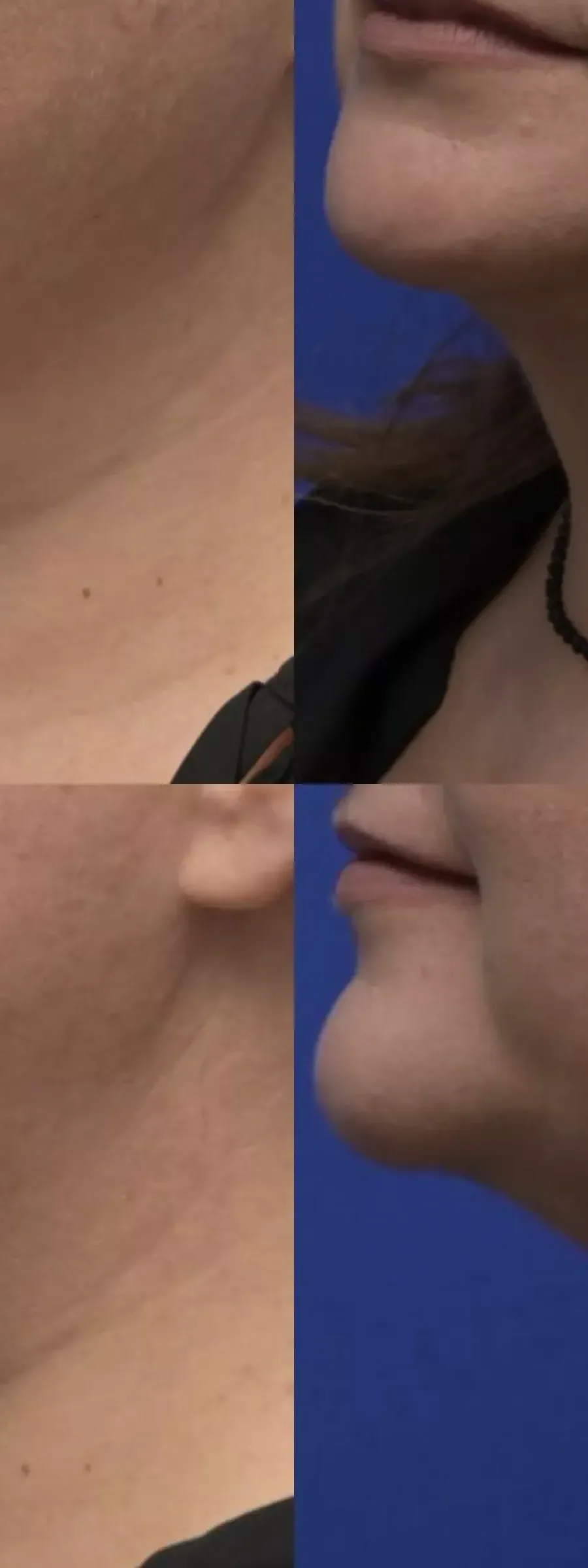
A 'double chin' and fat accumulation in the neck are problems that can affect the appearance of the face. Liposuction on the chin removes excess fat, highlighting the jawline and offering a more refined profile.
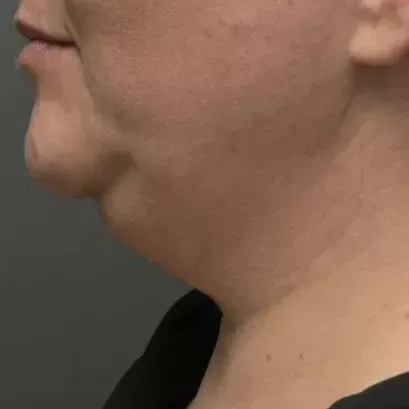
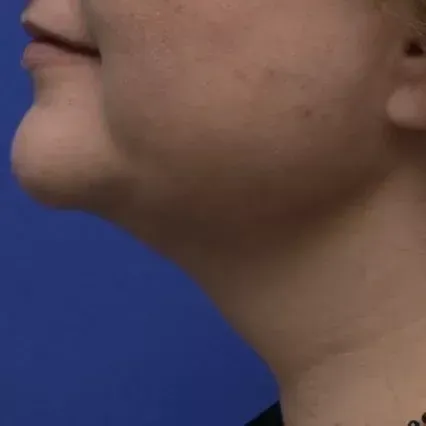
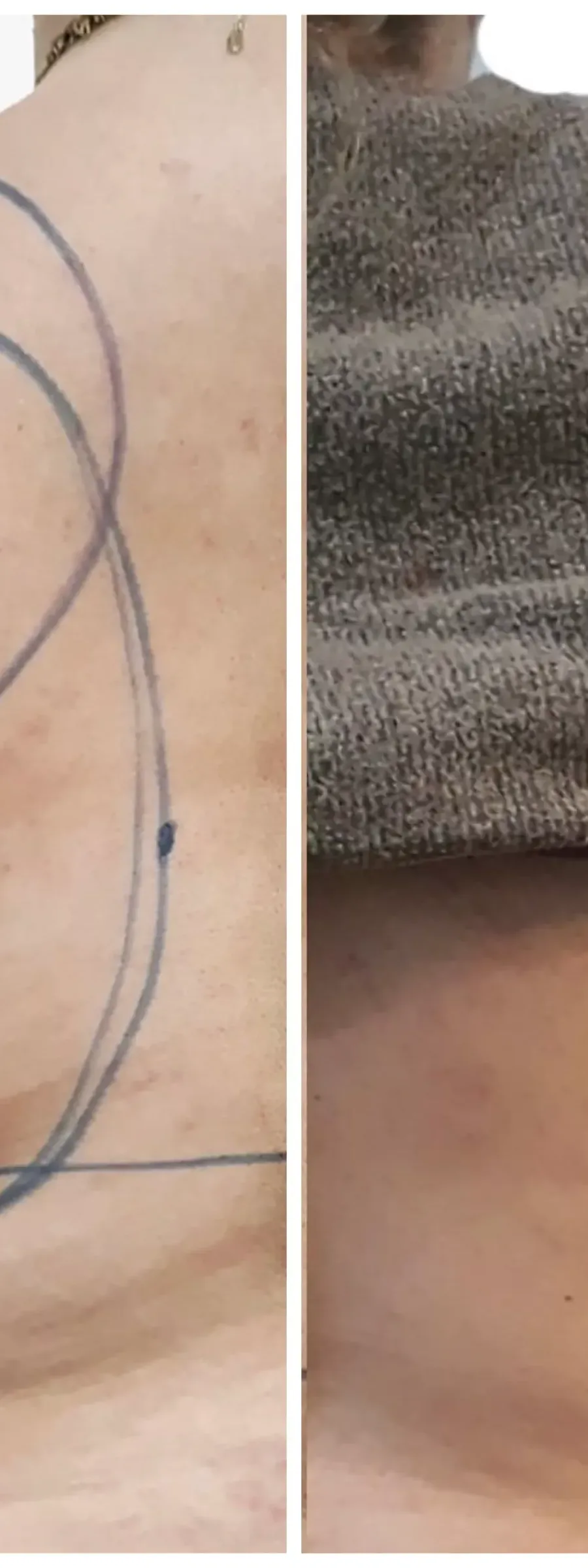
Liposuction can also be applied to areas such as the back, chest (in men with gynecomastia), knees, and calves, offering comprehensive improvement in body proportion.
How Liposuction Works
The procedure begins with the injection of a special solution into the area to be suctioned. This solution contains saline, a local anesthetic (lidocaine), and epinephrine, which helps shrink blood vessels to reduce bleeding and bruising. Next, the surgeon makes small incisions in the skin and inserts a thin tube (cannula) connected to a suction device. With careful back-and-forth movements, the fat is suctioned and removed from the body. The incisions are closed with stitches, and the person wears a compression garment to support healing and improve the final results.
Types of Anesthesia
Depending on the extent of the procedure, liposuction can be performed under local anesthesia, twilight anesthesia, or general anesthesia. Smaller areas usually require only local anesthesia, while larger procedures or combinations with other interventions require general anesthesia.
Liposuction and Fat Transfer: The Ideal Combination
One of the significant advantages of liposuction is that the fat removed does not necessarily have to be discarded. Through fat transfer, the purified fat can be used to add volume and contour to other areas of the body. This technique is particularly popular for:
- Buttocks Augmentation (Brazilian Butt Lift)
- The face for addressing volume loss due to aging
- Natural Breast Augmentation
- Improvement of Hand Appearance
Fat transfer uses your own fat, so there is no risk of allergic reaction. The results are natural and, when the fat cells survive (typically 40-70% of injected cells), the results can last for many years.
Suitable for
- Have normal or slightly elevated body weight
- Present with localized fat deposits that do not respond to diet and exercise
- Have good skin elasticity, allowing the skin to adapt to new contours
- Are in good general health
- Have realistic expectations for the results
Not recommended for
- If you have significant excess weight above the normal range, liposuction is not the right solution. In this case, weight loss through diet, exercise, or bariatric surgery will be more effective.
Liposuction Before and After: What to Expect
The results of liposuction become visible within a few weeks, as swelling and bruising subside. The skin needs time to adapt to the new contours, and final results typically appear in 3-6 months. The results are permanent, provided you maintain a stable weight. The fat cells that are removed do not regenerate. However, if you gain weight after the procedure, the remaining fat cells can expand, affecting the results. Furthermore, fat may be stored in different areas than before, as there are fewer cells in the areas that underwent suction.
Recovery Period
Immediately after the procedure, you will experience pain, swelling, bruising, and numbness in the areas where fat was removed. Pain usually lasts a few days to weeks and can be managed with analgesics. You will wear a compression garment for several weeks, which helps reduce swelling and supports healing.
Liposuction Risks and Side Effects
- Bruising and swelling: These are expected and subside within weeks
- Infection: Rare, but requires immediate treatment
- Contour irregularities: Sometimes the skin may show irregularities, dents, or unevenness
- Hematoma or seroma: Collection of blood or fluid under the skin
- Changes in sensation: Temporary numbness or decreased sensation in the area
- Deep vein thrombosis and pulmonary embolism: Rare but serious complications
- Fat embolism: Very rare, when fat enters the bloodstream
Choosing an experienced, board-certified plastic surgeon and adhering to all pre and post-operative instructions significantly minimizes these risks.
Dr. Dimitroulas Nikolaos
- plastic surgeon
Ask the doctor
The cost of liposuction ranges from 3500€ to 6000€ and depends on many factors, including the extent of the surgery, the number of areas to be treated, the type of anesthesia, and the complexity of the procedure. Smaller areas like the chin cost less than larger areas like the abdomen or thighs. During your consultation, your plastic surgeon will provide you with a personalized quote tailored to your needs.
Liposuction is a proven surgical method for removing stubborn localized fat and improving body proportions. From abdominal and thigh liposuction to the chin and arms, the procedure offers personalized solutions for individuals wishing to enhance their natural silhouette.
Book your appointment at Facemed Clinic and discover how liposuction can help you achieve the contour you desire.
Consultation
- Assessment Consultation with Plastic Surgeon — 50,00 €
- Video call with Plastic Surgeon — 25,00 €
The treatment price is set individually after the assessment.
Is the procedure painful?
During the procedure, you will not feel pain due to anesthesia. After the procedure, it is normal to experience pain, tenderness, and discomfort for a few days to weeks. The pain is manageable with analgesics and gradually improves.
How long do the results last?
The results are permanent, provided you maintain a stable weight. The fat cells that are removed do not regenerate. However, if you gain weight, the remaining fat cells can grow larger.
Can it help with cellulite?
Liposuction is not designed to treat cellulite or loose skin. In some cases, it may even worsen the appearance of skin irregularities. If you have cellulite or loose skin, discuss alternative options with your surgeon.
How many areas can be treated simultaneously?
This depends on the extent of the procedure and your general health condition. Many areas can be treated in one session, but your surgeon will consider safety and recovery time.
When can I return to work?
Most people return to work in 1-2 weeks, depending on the extent of the procedure and the nature of their job. Strenuous exercise is usually allowed after 4-6 weeks.
Plastic Surgery
- PDO Threads
- VASER Lipo: Advanced technology for a sculpted body
- BodyTite: The most effective way to address skin laxity
- FaceTite: Face and neck contouring and lifting
VIEW ALL
Symptoms
- Abdominal fat
- Double Chin
- Saddlebags