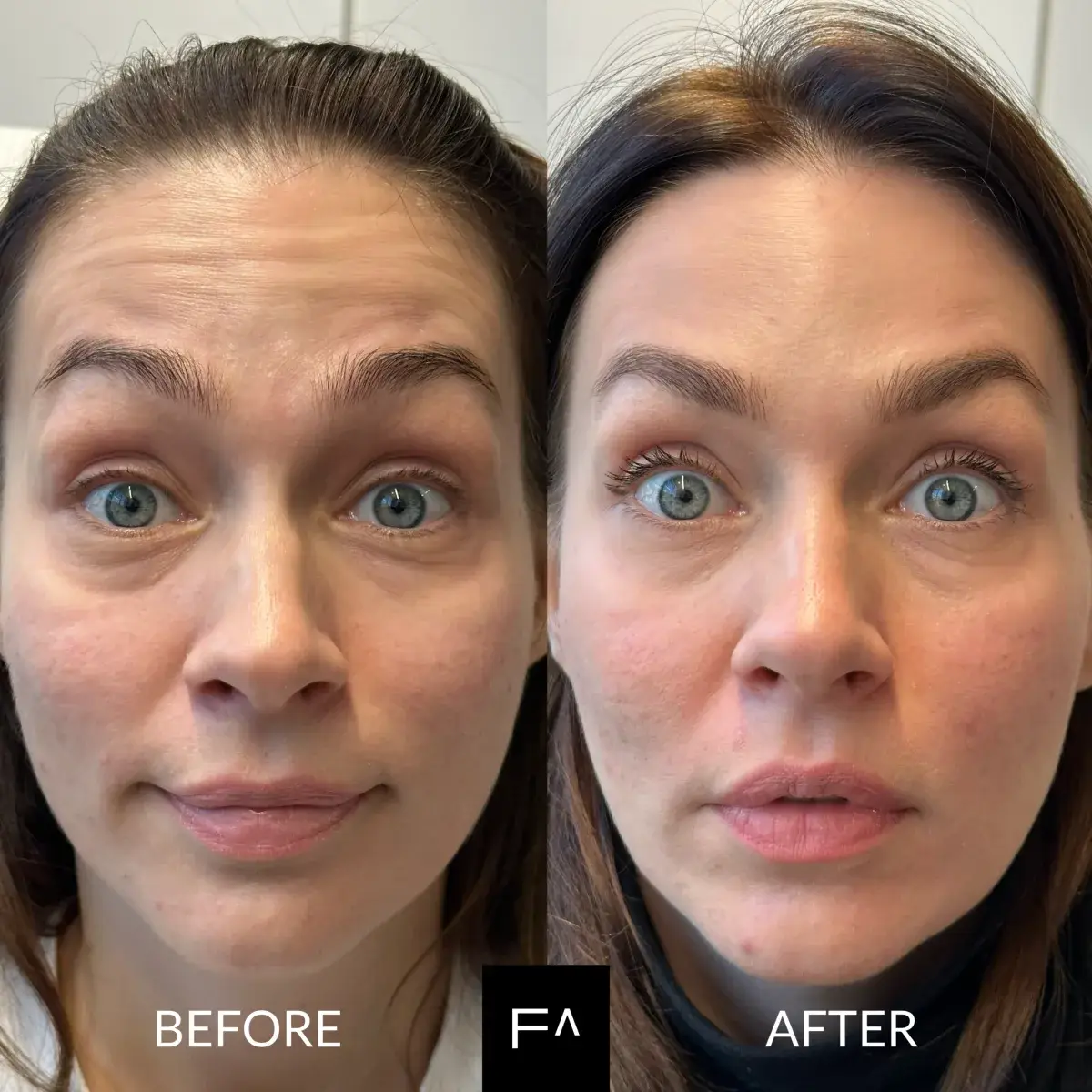
Have you just had Botox or are you simply interested in learning the next steps after the treatment? Botox is one of the most popular aesthetic treatments for reducing expression lines, and to ensure that the results are as you desire and last for the appropriate duration, it's good to know what is prohibited after Botox.
The treatment
See how Botox is done at Facemed Clinic: procedure, duration, cost
Why it's important to be careful after Botox
The first hours and days after Botox treatment play a crucial role in the final result. If you follow the instructions correctly, you help the substance "settle" where it should, avoid undesirable side effects, and ensure a more natural and symmetrical result that lasts. With a little care at the beginning, you can get the greatest benefit from the treatment.
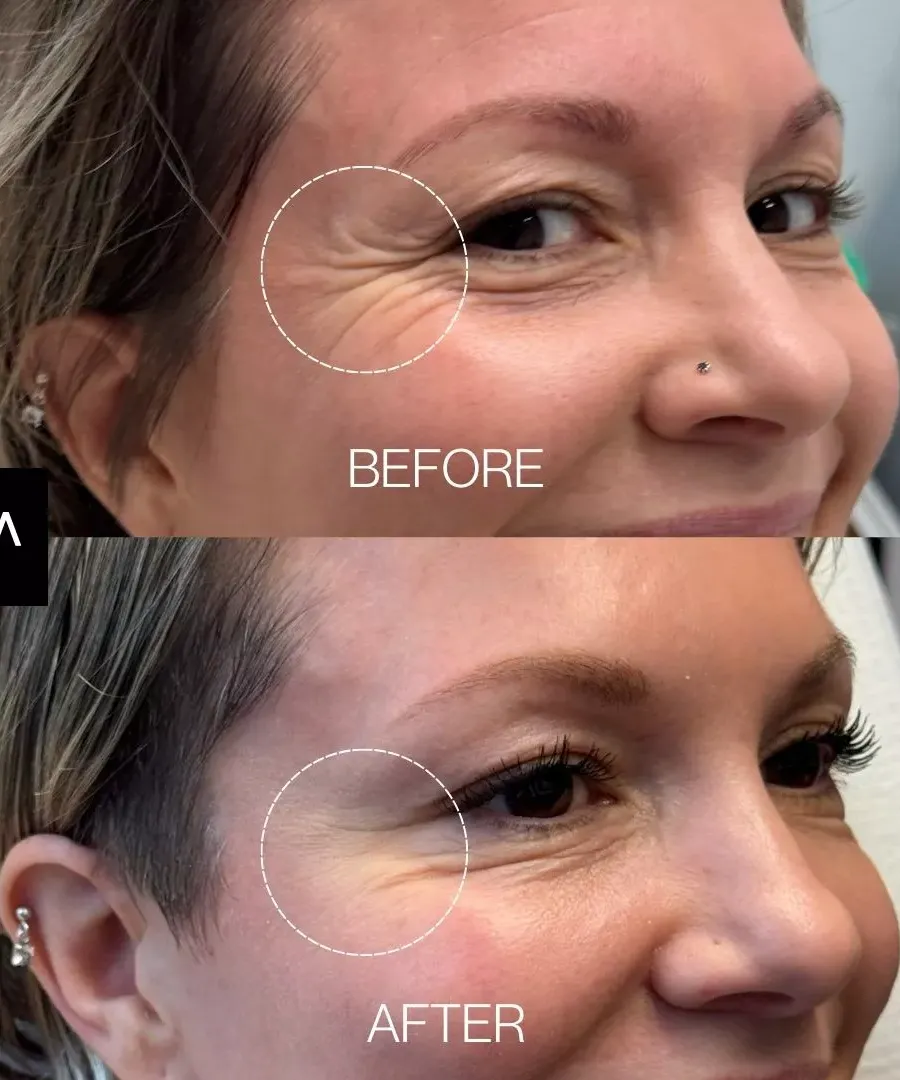
Proper care is what makes the difference you see in Botox before and after photos — the result of the first 24 hours is "locked in" for the next 4-6 months.
What is prohibited after Botox: 6 key guidelines
Important first 4 hours: Absolute prohibitions
The first four hours after Botox application are critical. During this time, the substance stabilizes in the muscles, and any wrong move can affect the final result.
If you haven't had the treatment yet, first see what the Botox treatment at FaceMed includes — procedure, duration, and results.
1. Lying down is prohibited
This is one of the most important guidelines because if you lie down, the Botox may shift, leading to undesirable effects such as eyelid ptosis or asymmetries.
Keep your head in an upright position and avoid even tilting it sideways to rest.
- What you can do: Sit comfortably on a sofa or armchair with your back upright. If you feel tired, support your entire back, but keep your head high.
2. Do not touch or rub the application area
Avoid any contact with the application area because even a gentle touch can move the substance. Specifically:
- No facial massage
- No rubbing of the eyes
- No applying makeup with pressure
- No resting your head on your hands
- Do not wear a hat
- What you can do: If you need to freshen up, prefer dabbing motions with a clean tissue. Brush your hair or do skincare on other parts of your face without touching your forehead or where Botox was applied.
First 24 hours: Additional precautions
3. No strenuous physical activity
Exercise increases blood circulation, which raises body temperature. Avoid activities such as:
- Gym, aerobics, or running
- Weightlifting and intense muscular effort
- Yoga poses with your head down
What can you do if you want to move?
- Gentle walking
- Light stretches without intensity or bending
- Breathing exercises for stress relief and relaxation
4. Avoid heat
Heat increases blood circulation and can reduce the effect of Botox even before it starts to work.
Excessive sun exposure should also be avoided as it increases the temperature in the area, leading to a reduced effect of the substance.
Therefore, for the first 24 hours, it's best to say "no" to:
- Very hot baths or showers
- Sauna and hammam
- Sunbathing or sun exposure
- Hair dryers
- Tip: Prefer cool water and stay in a cool area to help the result "settle" correctly.
Additionally:
- Use daily sunscreen with SPF 50+, even if it's cloudy
- Wear a hat and sunglasses when outdoors
- Prefer shaded areas
If it's very hot, choose cool indoor spaces or air-conditioned areas.
5. Avoid alcohol
Alcohol increases the risk of bruising at the injection sites, so it's best to avoid it for the first 24 hours.
What to do for optimal results
Beyond the restrictions, there are also some positive actions you can take to enhance the results:
Gentle expressions (optional)
Immediately after the application, for 30 minutes, you can gently move your facial muscles to help the Botox "settle" properly. Nothing excessive, just natural movements:
- Slight frowning of the eyebrows
- A natural smile without exaggeration
Proper hydration
Drink plenty of water for good hydration and comfort during the first few days.
Gentle cleansing
You can gently wash your face with lukewarm water and a mild cleanser, as long as you avoid scrubbing.
Small, calm movements help the Botox to "blend" harmoniously with your face.
Medications and supplements to avoid after Botox
Anti-inflammatory drugs
Avoid for one week before and after the treatment:
- Aspirin
- Ibuprofen
- Dipyrone
- Naproxen
Alternatively: If you need pain relief, opt for paracetamol.
Blood thinners
Inform your doctor if you are taking:
- Warfarin
- Sintrom
- New anticoagulants (Eliquis, Xarelto)
Dietary supplements
Avoid supplements that increase the risk of bruising:
- Vitamin E in large doses
- Ginkgo Biloba
- Garlic capsules
- Omega-3 in high doses
Dr. Dimitroulas Nikolaos
- Plastic Surgeon
- 210 69 29 999
Diet and lifestyle: The role of daily routine
Foods that increase swelling
Limit for 2-3 days:
- Excessive salt and processed foods
- Red wine (contains histamines)
- Alcoholic beverages in general
- Sodium-rich foods
Foods that help
Prefer:
- Fruits and vegetables rich in antioxidants
- Pineapple (contains bromelain which reduces swelling)
- Green tea
- Foods rich in Vitamin C
Hydration and caffeine
Caffeine can cause dehydration, so limit it during the first few days if you can and drink more water.
Side effects and management
Normal reactions
It is normal to experience:
- Slight redness that subsides in 2-4 hours
- Small bruises at the injection sites
- Mild swelling lasting 1-2 days
- A feeling of "heaviness" in the area
When to contact your doctor
Contact your doctor immediately if you notice:
- Severe asymmetry that does not improve
- Eyelid droop affecting vision
- Difficulty swallowing
- Respiratory difficulties
- Severe allergic reaction (itching, rash)
Seasonal care after Botox
Winter: Protect your skin from the cold
In winter, skin can become more sensitive, so:
- Apply moisturizer daily to combat dryness
- Drink plenty of water, as indoor heating can dehydrate you
Summer: Protect yourself from the sun and heat
In summer, your skin has different needs. After Botox:
- Apply high-SPF sunscreen (SPF 50+) daily
- Avoid the swimming pool for at least 48 hours, as chlorine can irritate the area
- Use moisturizer 1-2 times a day to compensate for moisture loss from perspiration
If you are preparing for a vacation or trip
To enjoy your treatment without stress:
- Schedule your Botox at least 2 weeks before you leave, so the results can stabilize
- Take sunscreen and a light moisturizer with you for proper care wherever you are
- Avoid spas, steam rooms, and facial treatments during the first few days after Botox
Whatever the season or your schedule, with a little prevention and care you can maintain fresh and natural results!
Final thoughts
Botox is an excellent treatment for rejuvenating your appearance, but its success also depends on your care after the procedure. Now that you know what to avoid after Botox, you can maintain beautiful, lasting results. If you have any questions or concerns, please do not hesitate to contact FaceMed Clinic.
For information regarding Botox cost and a personalized assessment, book an evaluation appointment at FaceMed.
When will I see results from Botox?
Results usually begin to show within 3-5 days, with full effect achieved in approximately 14 days. It is important to avoid specific activities (such as lying down in the first few hours or intense exercise in the first few days) after the treatment.
How long do Botox results last?
The duration of Botox results varies for each individual, but typically ranges between 3 and 4 months. Factors such as the injection site, skin type, quantity of material used, the doctor's technique, and your metabolism can influence the duration. With frequent retreatment, some individuals may experience longer-lasting results.
Can I wash my hair after Botox?
Ideally, you should wait at least 24 hours after the treatment before washing your hair. The goal is to avoid heat, pressure, or vigorous massaging of the treated area, and to keep your head upright, to minimize the risk of the material "shifting." If you need to wash your hair sooner, it's best to do so gently and without intense scrubbing.
How many hours after Botox can I sleep?
You can safely lie down and sleep 4 hours after Botox. Until then, it is advisable to keep your head upright to minimize the possibility of the material shifting.
Can I apply makeup after Botox?
You can apply makeup after 4 hours, provided you do so with gentle movements, without applying pressure to the treated area.