What is carboxytherapy?
Its function is based on two natural mechanisms of the body:
Improved microcirculation
When carbon dioxide is injected into the tissue, the body perceives it as a "danger signal" and reacts immediately. It increases blood flow to the area to "clear" the CO₂, thus significantly improving circulation.
Increased oxygen supply (Bohr effect)
Carbon dioxide causes a change in tissue pH, resulting in hemoglobin releasing more oxygen to the cells. This process activates cell metabolism and enhances the natural regeneration process.
Application areas and benefits
The flexibility of carboxytherapy makes it ideal for many areas of the body:
Abdomen
Reduction of localized fat and improvement of firmness
Buttocks
Cellulite treatment and toning
Thighs
Smoothing of the "orange peel" effect
Arms
Improvement of skin texture and elasticity
Addressing specific concerns
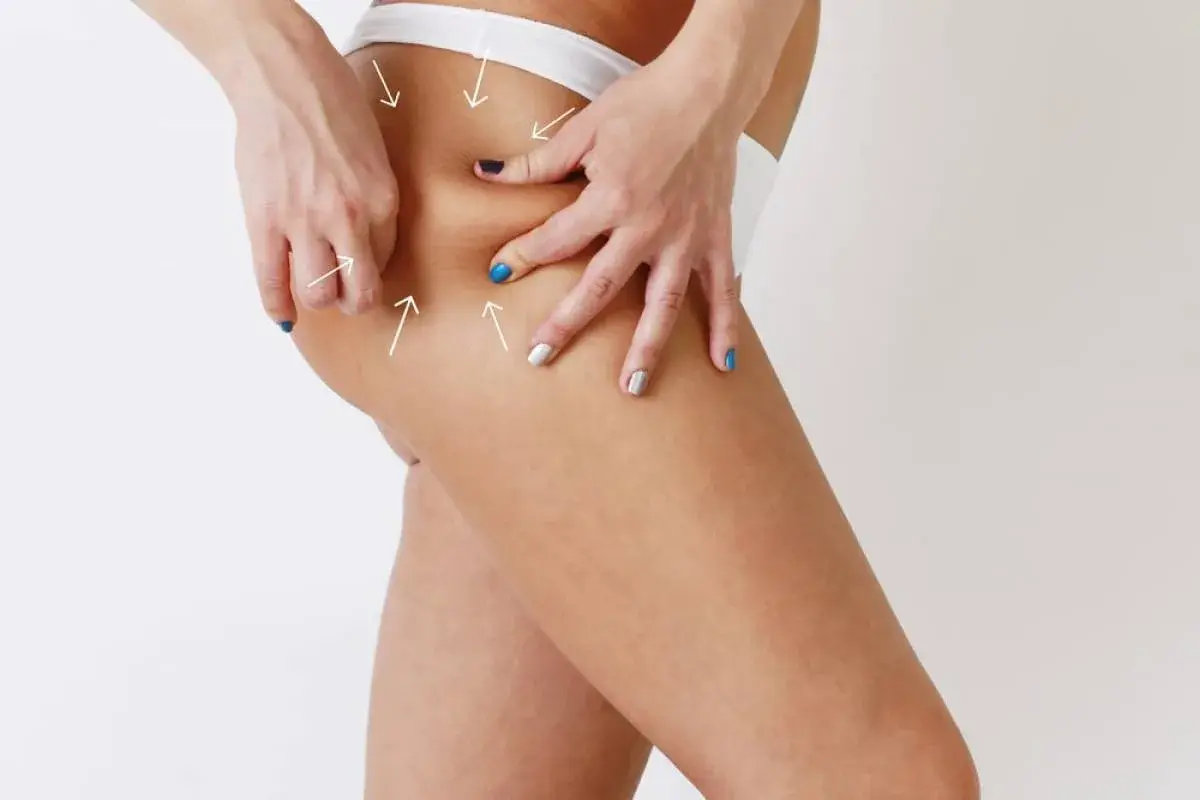
Cellulite
Breakdown of fibers that pull the skin and create "dimples"
Localized fat
Activation of lipolysis for natural fat reduction
Stretch marks
Stimulation of collagen production for texture improvement
Pregnancy marks
Skin rejuvenation and regeneration
Skin laxity
Tightening and toning through increased elastin
Carboxytherapy procedure: What to expect
The treatment is simple and quick:
- Preparation: The area is cleansed and the doctor places the special device.
- Application: Fine needles are used for targeted CO₂ injection.
- After treatment: You can immediately return to your daily activities.
The procedure takes 15-30 minutes depending on the area. You may feel a slight pressure sensation as the gas is injected, similar to that of a sphygmomanometer.
Results and Duration
The first signs of improvement are visible from the initial sessions, but full improvement is usually achieved after 6-10 sessions.
The results of carboxytherapy can last up to 18-24 months, depending on:
- Your lifestyle
- Diet and exercise
- Hormonal changes
- The natural aging process
Safety and Contraindications
- Carboxytherapy is considered an extremely safe treatment with minimal side effects. The only common side effect that may occur is small bruises at the injection site.
Contraindications:
- The treatment is not indicated in cases of:
- Pregnancy and breastfeeding
- Kidney failure
- Epilepsy
- Thrombophlebitis
- Cardiovascular problems (myocarditis, angina pectoris)
- Respiratory disorders
- Active infections in the treatment area
Combination treatments for better results
Carboxytherapy can also be combined with other treatments:
Body Mesotherapy
For enhanced fat dissolution and skin nourishment
X-Wave
For additional cellulite improvement
RF
For firming and regeneration
The combination of treatments offers even more impressive and long-lasting results.
Conclusion
Carboxytherapy is an advanced, minimally invasive treatment that utilizes carbon dioxide (CO₂) to effectively combat cellulite, localized fat, and stretch marks.
Through the body's natural response, it improves microcirculation, increases collagen production, and provides smoother, firmer skin.
If you are looking for a safe solution that delivers visible results without downtime, book your appointment at Facemed Clinic.
Carboxytherapy – Price
Carboxytherapy for localized fat and cellulite at FaceMed starts from €40 (Carboxytherapy · 1 περιοχή). See popular packages and all prices by area.
All prices by area
- Carboxytherapy · 1 περιοχή — 40€
- Carboxytherapy · 2 περιοχές — 60€
- Carboxytherapy · 3 περιοχές — 80€
- Carboxytherapy · 4 περιοχές — 100€
Related treatments & conditions
See also: Body Mesotherapy · Aqualyx · X-Wave · Cellulite: what it is and how it is treated.
Does carboxytherapy hurt?
The sensation is mild and tolerable. The only thing you might feel as the gas temporarily expands the tissue is a slight pressure, similar to that of a blood pressure cuff.
Is any preparation needed?
Another key advantage of the treatment is that it requires no special preparation, and as mentioned earlier, you can resume your normal activities immediately afterward.
Are there long-term side effects?
There are none, because carbon dioxide is a natural product of metabolism and is completely expelled from the body through respiration.
What is the difference between injectable and topical carboxytherapy?
Injectable carboxytherapy is the classic method where CO₂ is injected directly into tissues for maximum effectiveness. Topical carboxytherapy uses special gels that release CO₂ onto the skin's surface; it is less invasive but also less effective for deep-seated problems like cellulite.
Can I have carboxytherapy after pregnancy?
The treatment is safe after pregnancy and breastfeeding. In fact, it is particularly effective for addressing pregnancy-related concerns, such as abdominal muscle diastasis and skin laxity caused by hormonal changes. However, it is recommended to wait at least 3 months postpartum before starting treatment.
How often can I have the treatment?
After completing the initial course of treatments, you can have maintenance sessions every 6-12 months to preserve the results.