What is a lipoma? A lipoma is a piece of fatty tissue ( lump or " knot " as many describe it) that develops just under the skin, round or oval in shape, ranging from 1 to 10 centimeters in size. It feels like it moves when touched, is soft, and causes no pain. Usually, one lipoma is observed on the body , but it is possible for more to develop ( multiple lipomas ). A lipoma grows slowly, is not cancerous, and most often does not require treatment. "A cyst and a lipoma appear similar, but an experienced surgeon can tell the difference"
Where do lipomas appear? A lipoma can appear anywhere on the body . Common areas where it is observed include: Hands or feet Arms Back Shoulders Neck Torso Forehead Less commonly, a lipoma can be found in internal organs or muscles of the body. It is usually not painful , but it can cause discomfort if it develops near a nerve , a joint , or a muscle .
Who is affected by lipomas? A lipoma can appear at any age. However, it is more commonly observed in men and women between 40 and 60 years old, perhaps slightly more often in men. Regarding its frequency in the general population, it appears to be very common, as scientific estimates suggest that 1 in 1,000 people will develop a lipoma at some point in their lives.
Causes The causes that lead to the development of lipomas are not clear. However, it is believed that a genetic factor plays a role in their appearance, as heredity is observed among family members.
Diagnosis of Lipomas The general rule states that every nodule found on the body must be evaluated by a specialist doctor , and more specifically by a general surgeon . Our experienced general surgeon will confirm if the nodule you have is a lipoma and not some other type of tumor . The diagnosis for lipoma is usually made easily during the clinical examination . If the image is not clear, the doctor may recommend a biopsy to confirm that it is not the rare possibility of a type of cancer called liposarcoma . Also, if deemed necessary, they may request an imaging study (ultrasound, CT scan, MRI) particularly when the lipoma has unusual characteristics.
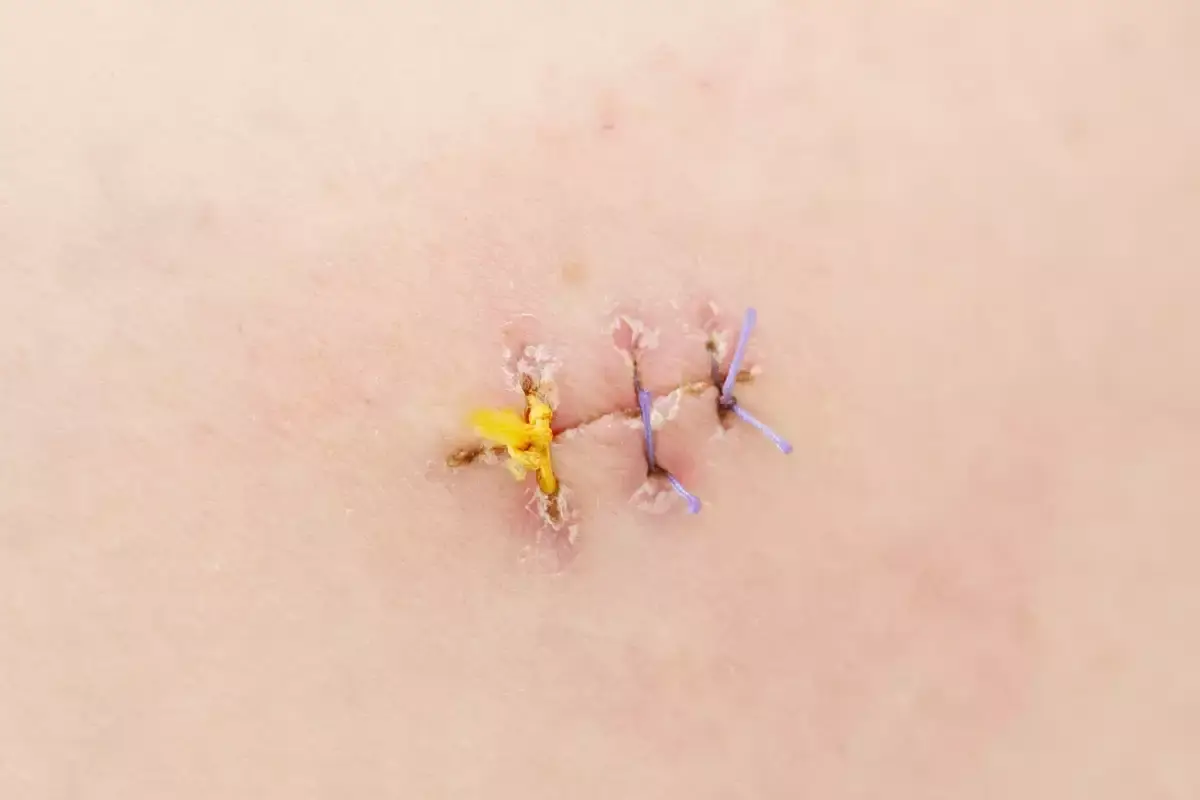
Treatment for Lipoma Reasons of aesthetics and functionality , rather than health, most often lead individuals with lipomas to the surgeon's office in search of treatment . Most of the time, however, monitoring by the patient and the doctor is the management of the lipoma . The extent , location , and any symptoms that each lipoma may present are considered in the decision for treatment , which is surgical removal . The procedure is short and safe , with a return home on the same day. The removed lipoma is sent for biopsy . Benign lipomas have a very good prognosis, do not progress to cancer , and once removed, do not recur. "Lipomas do not go away on their own"
I noticed a lipoma on my body, should I be worried?
No, you should not worry, as lipomas are usually benign. However, it is advisable, like any nodule on our body, to have it evaluated by a doctor, especially if it is growing rapidly, if its size concerns you, or if it causes pain.
When is a lipoma dangerous?
Lipomas are rarely dangerous. However, when their size increases, specialists recommend their removal.
I recently had a lipoma surgically removed from my body, can it reappear?
Lipomas that are correctly removed very rarely recur.